The Four Words a Tired Reporter Wrote in Brooklyn That Never Went Away
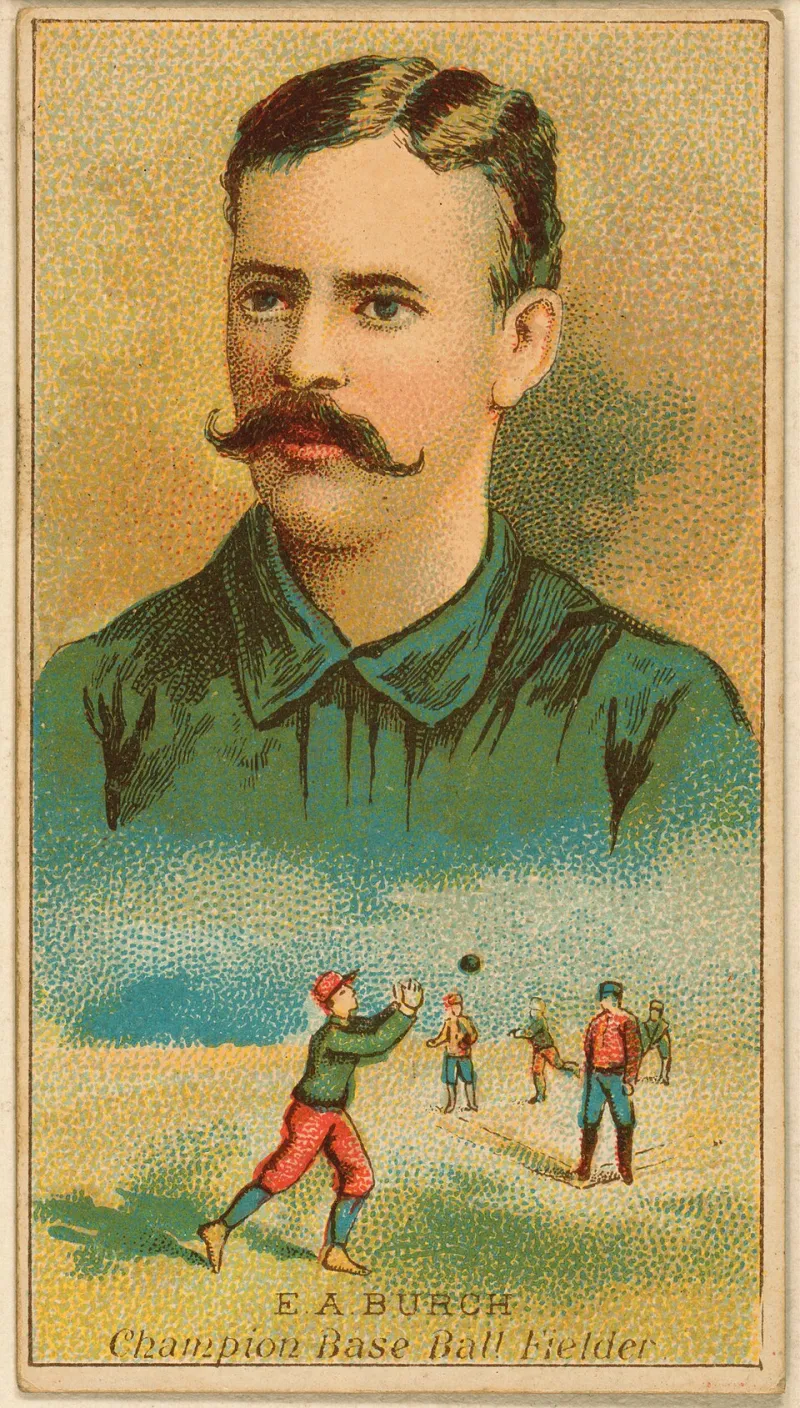
Photo: Unknown authorUnknown author, CC BY 2.0, via Wikimedia Commons
If you've ever rooted for a team that came up short — and in America, that covers just about everyone — you've probably said it. Maybe your dad said it first. Maybe you heard it at a bar after a playoff loss, offered up half as a joke and half as genuine consolation.
Wait till next year.
Four words. Simple enough to fit on a bumper sticker. Loaded enough to carry an entire philosophy of American fandom. And like a lot of things that feel timeless, this one started somewhere very specific: a baseball press box in Brooklyn, sometime in the early 1940s, with a team that kept breaking people's hearts.
The Bums and Their Believers
To understand where this phrase came from, you need to understand what it meant to be a Brooklyn Dodgers fan.
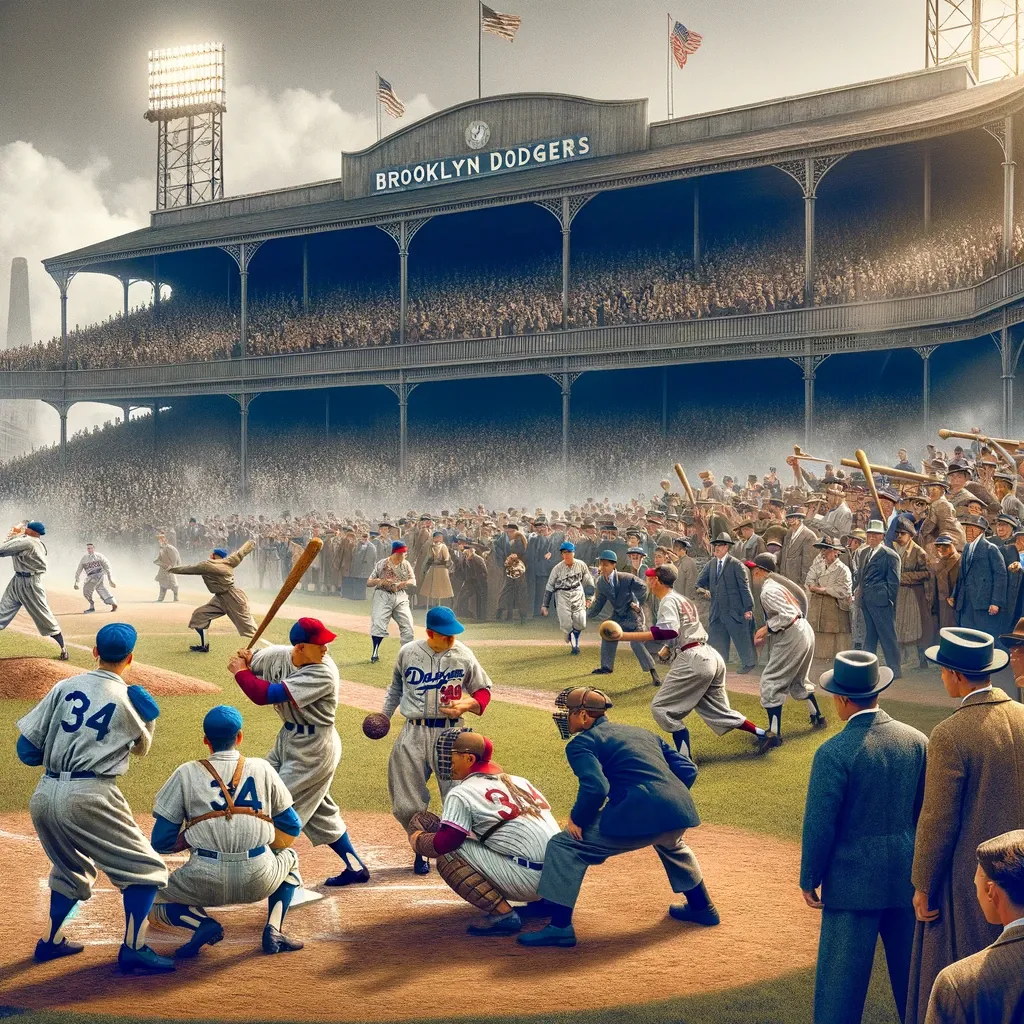 Photo: Brooklyn Dodgers, via historicbaseball.com
The Dodgers — nicknamed "the Bums" with genuine affection — were one of baseball's most beloved and most tortured franchises. From the late 1930s through the mid-1950s, they were consistently excellent. They had Hall of Fame talent. They had passionate fans who packed Ebbets Field and made it one of the loudest, most electric ballparks in the country.
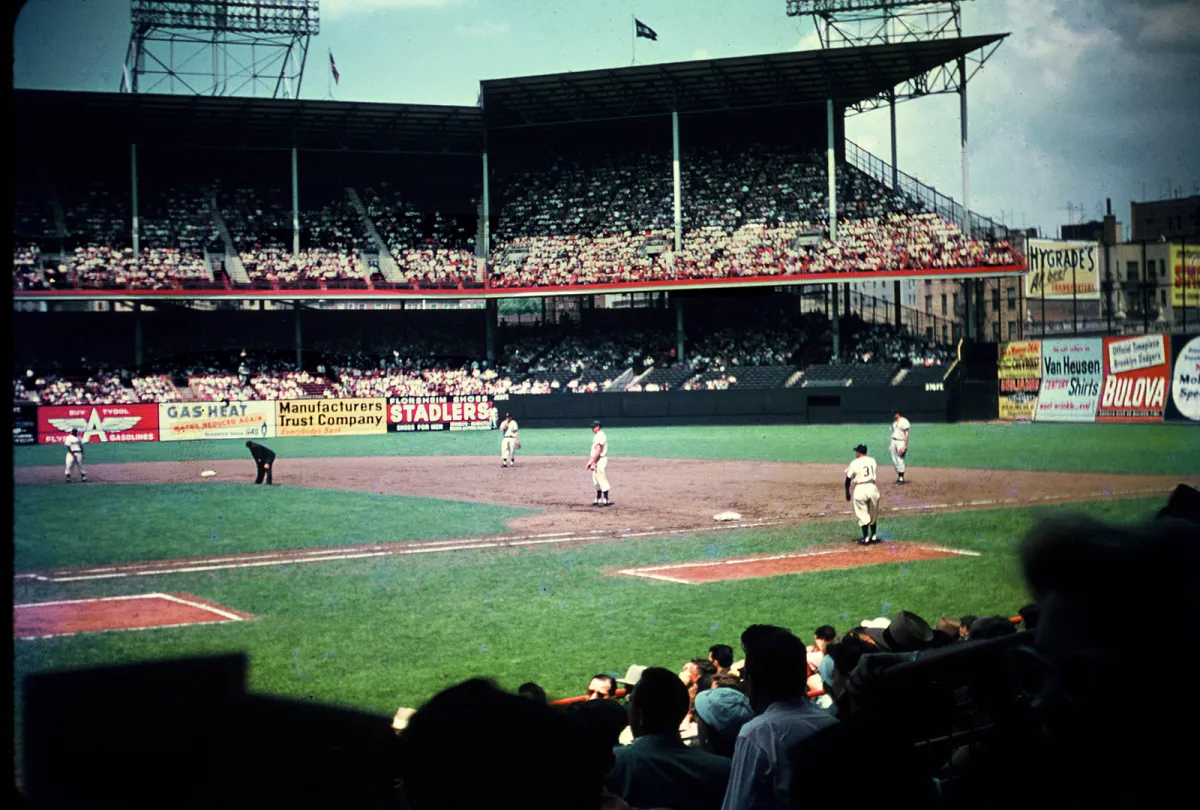 Photo: Ebbets Field, via www.ballparksofbaseball.com
And they kept losing the World Series. Specifically, they kept losing it to the New York Yankees.
 Photo: New York Yankees, via cdn.freebiesupply.com
Between 1941 and 1953, the Dodgers made it to the World Series five times. They lost all five. The Yankees were always waiting — across the borough, seemingly unbeatable, endlessly maddening. For Dodgers fans, October became a predictable cycle of hope, excellence, and crushing disappointment.
Somebody had to find words for that feeling. And eventually, somebody did.
The Reporter and the Line
The phrase "wait till next year" is most often credited to Hearst sportswriter Jack Mahon, who reportedly used it in a column following a Dodgers World Series defeat in the early 1940s. Other accounts attribute early usage to various Brooklyn reporters covering the team through that era of near-misses.
What's clear is that by the mid-1940s, the phrase had attached itself to the Dodgers specifically and was circulating widely enough that New York sportswriters were using it almost as a team nickname. It wasn't invented so much as it crystallized — a phrase that had probably been muttered in the stands for years, finally given a fixed form by a deadline-pressured reporter who needed a way to end his column.
The genius of it, and the reason it stuck, is that it does two contradictory things at once. It acknowledges defeat completely — there's no spin in "wait till next year," no pretending the season ended well. But it also refuses to quit. The next year part is everything. It's a promise made to nobody in particular, a small act of faith in the face of evidence that probably doesn't support it.
For Dodgers fans in Brooklyn, that tension was the whole experience.
When "Next Year" Finally Arrived
The phrase got its most famous moment in 1955.
After years of World Series heartbreak, the Brooklyn Dodgers finally beat the Yankees. Johnny Podres threw a shutout in Game 7. Sandy Amoros made a catch in left field that became one of baseball's most replayed moments. Brooklyn went absolutely wild.
The Daily News ran a front page that simply read: "THIS IS NEXT YEAR."
It was one of the most effective newspaper headlines in sports history — and it only worked because everyone already knew the phrase. The entire city understood the reference without needing any explanation. That's how thoroughly "wait till next year" had embedded itself into the culture of Brooklyn baseball.
The celebration lasted all winter. And then, in 1957, the Dodgers announced they were leaving for Los Angeles.
A Phrase That Outgrew Its Team
The cruelest irony of "wait till next year" is that the team it described most perfectly eventually left, leaving Brooklyn fans with no next year to wait for. Ebbets Field was demolished in 1960. The Bums were gone.
But the phrase survived — and it survived because it had already stopped belonging exclusively to Brooklyn.
By the 1960s, it had spread to other teams, other cities, other sports. Cubs fans adopted it with particular intensity, nursing a championship drought that would eventually stretch to 108 years. Red Sox fans used it through their own legendary suffering. Cleveland fans. Bills fans. The phrase became a kind of universal sports inheritance, passed from one generation of disappointed fans to the next.
What made it travel so well is that it's not really about baseball. It's about a very specific American attitude toward failure — the refusal to let a bad outcome be the final word. It's optimism that has stared directly at the evidence against it and decided not to care.
Why It Still Works
In a sports culture that now moves at social media speed, where takes are hot and memories are short, "wait till next year" feels almost quaint. But it keeps getting used because nothing has replaced it.
Every October, somewhere in America, a fan base is absorbing a loss that feels enormous. And somebody — a parent, a stranger at a bar, a columnist on deadline — reaches for the same four words a Brooklyn reporter wrote decades ago.
The team changes. The city changes. The sport sometimes changes. The words don't.
That's a pretty good run for a throwaway line that was never supposed to outlast the morning edition.