Nobody Wanted the Seventh-Inning Stretch Until a President Couldn't Sit Still
The Myth Everyone Believes
Ask any baseball fan about the seventh-inning stretch, and they'll tell you the same story: President William Howard Taft stood up to stretch during a 1910 game, and out of respect, the entire crowd stood with him. It's a neat, tidy tale that connects America's pastime with presidential tradition.
There's just one problem: it's not true.
The real origin of the seventh-inning stretch is messier, more interesting, and reveals something profound about how American traditions actually develop—not through grand gestures, but through the collision of politics, crowd psychology, and the very human need to move around after sitting too long.
The President Who Hated Baseball
William Howard Taft did attend that Pittsburgh Pirates game on May 4, 1910, but he wasn't there because he loved baseball. He was there because his political advisors insisted it would help his struggling presidency. Taft was widely seen as stiff, formal, and out of touch with ordinary Americans. A public appearance at the national pastime was supposed to humanize him.
Taft was miserable. He found baseball boring, the wooden seats uncomfortable, and the crowd noise overwhelming. Contemporary newspaper accounts describe him fidgeting constantly, checking his pocket watch, and looking generally uncomfortable throughout the game.
When he finally stood up in the seventh inning, it wasn't a planned presidential moment—it was a 300-pound man who desperately needed to stretch his legs.
The Real Tradition Was Already There
Here's what the Taft myth gets wrong: crowds were already standing and stretching during the seventh inning long before any president showed up. Baseball historians have found newspaper references to "the seventh-inning stretch" dating back to the 1860s, nearly 50 years before Taft's famous game.
The tradition emerged organically from the realities of 19th-century baseball. Games were long, seats were uncomfortable wooden planks, and there were no modern amenities. By the seventh inning, after two hours of sitting on hard benches, crowds naturally began standing, stretching, and moving around.
"It was basic human necessity disguised as tradition," explains baseball historian Dorothy Mills. "People needed to stretch. The seventh inning was the natural breaking point where restlessness overcame social pressure to stay seated."
The Presidential Stamp of Approval
So why does everyone credit Taft? Because his presence transformed a working-class habit into a respectable middle-class tradition.
Before 1910, the seventh-inning stretch was somewhat chaotic and class-dependent. Working-class fans in the cheaper seats had always stood and moved around freely. But middle-class and wealthy fans in the better seats felt social pressure to remain seated and maintain proper decorum.
When the President of the United States stood up and stretched in front of 20,000 people, he accidentally gave permission for everyone else to do the same. The stretch went from being a lower-class necessity to an all-American tradition.
The Democracy of Standing Up
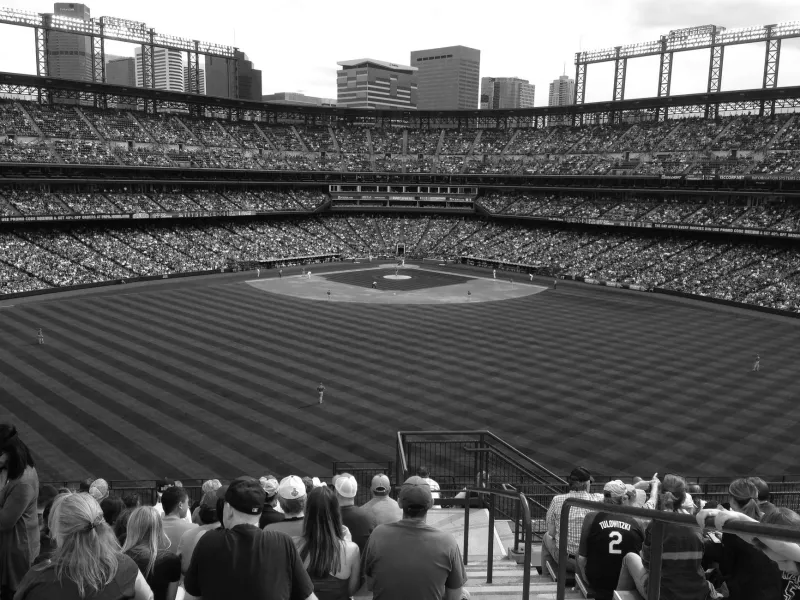
What makes the seventh-inning stretch unique among American sports traditions is its radical democracy. Unlike the national anthem or ceremonial first pitches, the stretch belongs entirely to the crowd. No officials orchestrate it, no PA announcers direct it, no protocol governs it.
For 90 seconds, every person in the ballpark—regardless of ticket price, social status, or team loyalty—participates in the same simple act of standing up and moving around. It's one of the few moments in American public life where class distinctions temporarily disappear.
The Song That Made It Sacred
The seventh-inning stretch might have remained a simple standing break if not for Chicago Cubs organist Gary Pressy, who in 1976 began playing "Take Me Out to the Ball Game" during the stretch. The song, written in 1908 by two men who had never been to a baseball game, somehow became the perfect soundtrack for the moment.
 Photo: Chicago Cubs, via www.jaredweberphotography.com
The combination of standing, stretching, and singing transformed a utilitarian break into an emotional experience. Suddenly, the seventh-inning stretch became the most emotionally charged moment in any ballpark—more unifying than the first pitch, more personal than the final out.
Why It Still Matters
In an era when most stadium experiences are carefully choreographed and commercialized, the seventh-inning stretch remains authentically democratic. It can't be sponsored, can't be improved with technology, can't be made more efficient.
It's also become a moment of collective vulnerability. When 40,000 people stand up together and sing an old song about wanting to go to a baseball game while they're already at a baseball game, something magical happens. The irony becomes joy, the ritual becomes real.
The Accidental Tradition
The seventh-inning stretch endures because it serves multiple purposes that nobody planned. It's a physical break in a long game, a social bonding moment for strangers, a democratic ritual that includes everyone, and a connection to baseball's past that feels authentic because it is authentic.
President Taft didn't create the tradition, but his restless fidgeting in 1910 did help legitimize something that was already happening. Sometimes the most powerful traditions aren't imposed from above—they bubble up from below and get accidentally blessed by authority.
Every time you stand up in the seventh inning, you're participating in a tradition that began with uncomfortable wooden seats, evolved through presidential restlessness, and became sacred because it makes 40,000 strangers feel like they belong to the same community for exactly 90 seconds.
That's not the neat story everyone tells about President Taft. But it's the messier, more beautiful truth about how American traditions actually begin—not with grand gestures, but with the simple human need to stand up and stretch when you've been sitting too long.