The Seats That Fill Every Stadium in America Started in a Civil War Army Camp
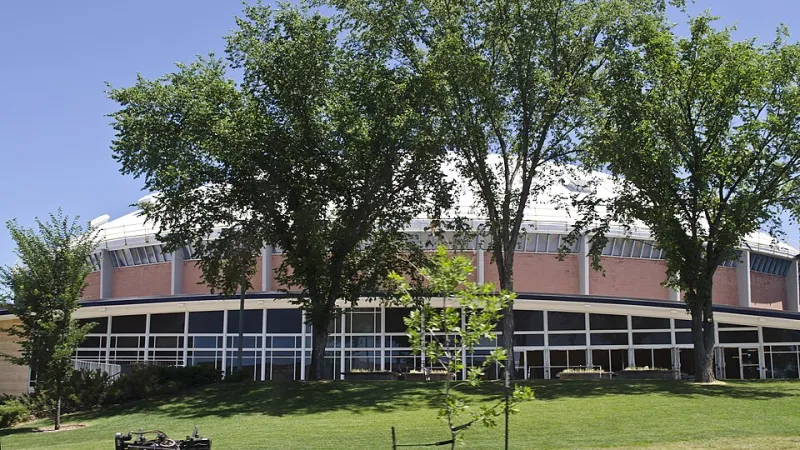
Photo: Tim Evanson, CC BY-SA 2.0, via Wikimedia Commons
If you've ever sat in the bleachers at a high school football game, or squeezed into the upper deck of a minor league ballpark, you've experienced one of the most taken-for-granted objects in American sports. Bleachers are just there. They're part of the background, the assumed infrastructure of any sporting event. Nobody thinks much about where they came from.
Which is exactly why the answer is so surprising.
The bleachers you sit in today — those tiered rows of bench seating, angled toward whatever action is happening below — didn't originate in sports at all. Their story starts in the 1860s, in the temporary camps of the Union Army, where soldiers needed somewhere to sit while they watched the drills and entertainments that filled the long stretches of waiting between battles.
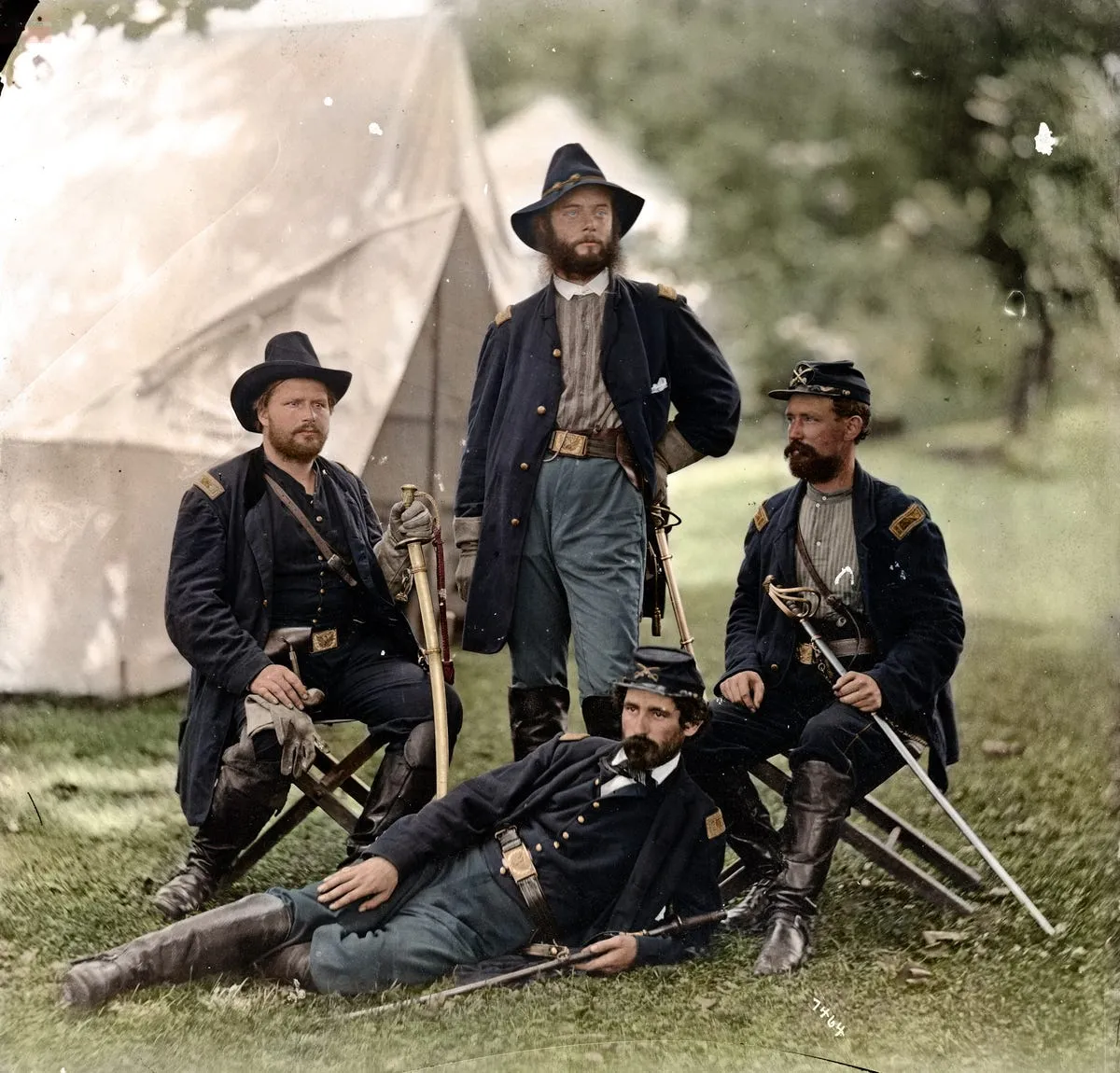 Photo: Union Army, via static2.businessinsider.com
Waiting Was the Hardest Part
Civil War soldiers spent a lot of time doing nothing. The popular image of the war is constant combat, but the reality for most soldiers was weeks and months of camp life — drilling, maintaining equipment, writing letters home, and looking for anything that would break the monotony. Camp entertainment became a genuine military concern. Morale mattered, and morale required distraction.
Military camps staged performances, boxing matches, baseball games (the sport spread rapidly through the Union Army during the war), and formal drills that doubled as spectacle. When soldiers gathered to watch, they needed somewhere to stand — or better yet, sit. Someone, at some point, started building tiered wooden platforms from whatever lumber was available. Stack some planks, angle them toward the action, and suddenly two hundred men could see what was happening instead of the backs of each other's heads.
These structures were purely functional and entirely temporary. They went up when needed and came down when the camp moved. Nobody named them or thought of them as an invention. They were just a practical solution to a practical problem — the same kind of improvised engineering that war tends to produce in abundance.
Baseball Inherits the Idea
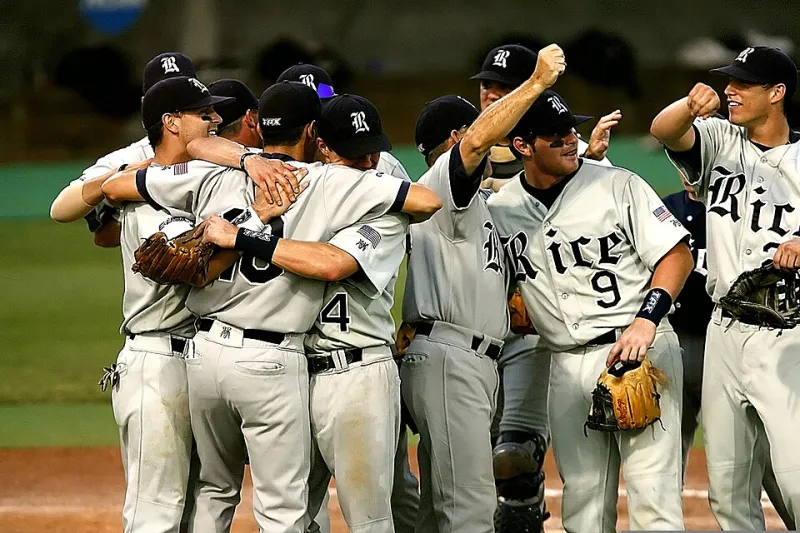
After the war ended in 1865, hundreds of thousands of Union soldiers returned home carrying new habits with them. Baseball was the most significant one. The sport had been played in scattered regional variations before the war, but the army camps had standardized it, spread it, and given it a massive new audience. Veterans brought the game back to their towns and cities, and the sport exploded in popularity through the 1870s.
As baseball professionalized and crowds grew, the people running early ballparks faced the same problem those army camps had faced: how do you let a large number of people see something happening on a flat field? Grandstands with covered seating were the premium solution — but grandstands were expensive to build and expensive to maintain. For the overflow crowds, or for the working-class fans who couldn't afford grandstand prices, something cheaper was needed.
The answer was tiered wooden bench seating built along the foul lines and outfield. It was cheap to construct, required no roof, and could be expanded quickly when demand called for it. The men who sat in these sections were exposed to the sun for hours at a stretch — bleached by it, as the saying went. By the 1880s, the informal term "bleachers" had attached itself to these sections and the people who filled them. The word showed up in newspaper coverage of games throughout that decade, used casually enough to suggest it was already common vocabulary.
From Temporary to Permanent
Early bleacher construction was as improvised as its military ancestor. Wooden planks on rough timber frames, assembled quickly and not always safely. Bleacher collapses were a genuine hazard in the late 19th and early 20th centuries — crowds packed onto poorly engineered platforms that couldn't handle the weight. Several serious accidents prompted cities and leagues to push for more regulated construction standards.
The shift from wood to steel and aluminum came gradually through the mid-20th century. Steel bleachers were sturdier, more fire-resistant, and could be manufactured in standardized sections that bolted together quickly. By the postwar era, prefabricated aluminum bleacher systems were being installed in high schools and parks across the country. The same basic design — tiered rows, bench seating, open to the elements — just built from materials that wouldn't rot or collapse.
Today, those prefabricated systems are everywhere. Every high school athletic field in America has them. Every Little League park. Every college track. Every minor league baseball stadium. The design has been refined and the materials upgraded, but the fundamental logic — stack the seats, angle them toward the action, give everyone a sightline — is identical to what soldiers were doing with spare lumber in Virginia in 1863.
The View From Up There
There's something worth sitting with in that history. The bleachers are often considered the least glamorous part of any sports venue. No cushions, no shade, no premium amenities. In baseball, the bleacher seats are associated with the most passionate, least formal fans — the ones who show up early, stay late, and actually know what's happening on the field.
But they're also the seats with the most democratic history. They were built for soldiers waiting out a war. They were built for working people who couldn't afford the grandstand. They were built quickly, practically, and without any particular design ambition — just the straightforward goal of letting as many people as possible see what was in front of them.
Every time you climb up those aluminum rows and settle onto a bench in the open air, you're sitting in something that began not with sports at all, but with a country trying to hold itself together — and soldiers trying to find something worth watching while they waited.