The Clock on the Scoreboard Was Put There for Bureaucrats — Fans Turned It Into Drama
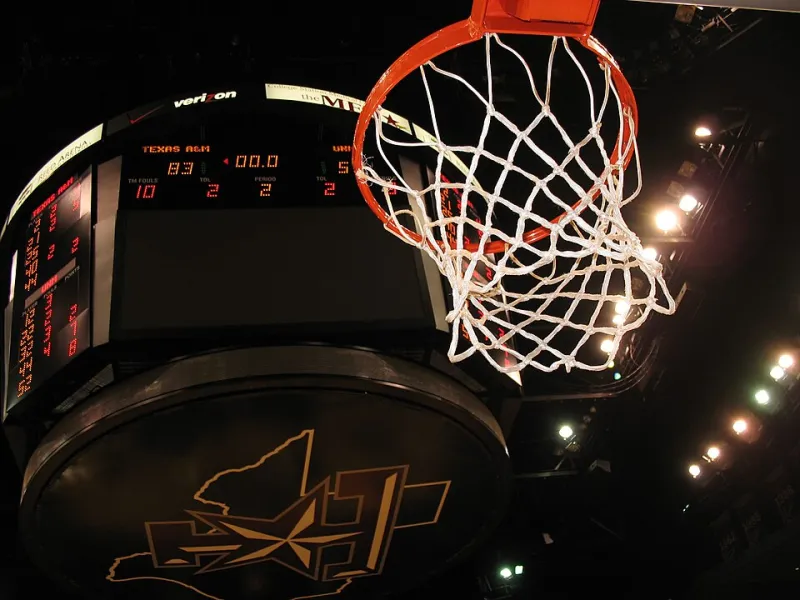
Photo: Stuart Seeger, CC BY 2.0, via Wikimedia Commons
Picture the final seconds of a close game. The clock on the scoreboard reads 0:07. A point guard dribbles at half court, the crowd is standing, and nobody in the building is breathing. The coach calls a timeout. The announcers drop their voices. Everyone stares at those seven digits like they contain the answer to something important.
The game clock is one of the most emotionally powerful objects in American sports. It creates crunch time. It makes buzzer-beaters possible. It gives every game a shape — a beginning, a middle, and an end that everyone in the arena can watch approaching in real time.
It was also installed, originally, for the least dramatic reason imaginable: to settle administrative arguments between league officials about how long games were supposed to last.
The Problem With Keeping Time
In the earliest years of professional basketball — we're talking the late 1940s, when the Basketball Association of America was just getting organized — timekeeping was a human operation conducted by a person sitting at a table with a stopwatch. That person would start the watch when play began, stop it when the referee blew the whistle, and try to keep accurate track of how much time had elapsed.
 Photo: Basketball Association of America, via banner2.cleanpng.com
The problems with this system were numerous and predictable. Timekeepers made mistakes. Referees disputed their counts. Teams accused opposing benches of stalling, running the clock down without attempting to score, draining the excitement out of games that were supposed to be competitive entertainment. Games that were supposed to run forty minutes sometimes stretched to ninety. Crowds got restless. Owners got furious.
The disputes weren't just annoying — they were damaging the league's credibility. If nobody could agree on how much time had been played, how could anyone agree on the outcome?
The Shot Clock and Its Sibling
Most basketball fans know about the shot clock — the 24-second clock introduced by NBA commissioner Maurice Podoloff and owner Danny Biasone in 1954, designed to force teams to attempt a shot within a fixed window and prevent stalling. The shot clock is rightly celebrated as one of the most important rule changes in American sports history. It made the game faster, more entertaining, and ultimately more popular.
 Photo: Danny Biasone, via i.ytimg.com
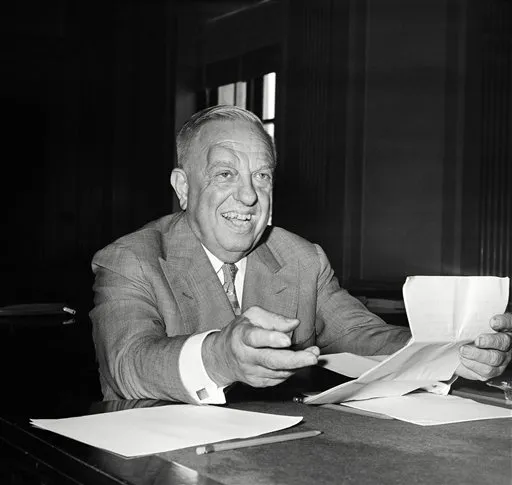 Photo: Maurice Podoloff, via jgbasket.net
But the shot clock had a sibling that gets far less credit: the visible game clock, displayed prominently so that players, coaches, officials, and fans could all see exactly how much time remained in a period. Before that clock was standardized and made public, only the timekeeper knew the exact count. Everyone else was guessing.
The decision to make the game clock visible to everyone in the arena was driven almost entirely by a desire to remove human error and dispute from officiating. If the clock was on the scoreboard, nobody could argue about it. The number was there. Everyone saw the same number. The argument was over before it started.
It was, in essence, a transparency measure — the kind of administrative fix that sounds boring when you describe it in a league memo and sounds obvious in retrospect.
When the Tool Became the Story
What nobody predicted was what a publicly visible countdown would do to the emotional experience of watching a game.
When the clock is hidden — when only the timekeeper knows the count — time is abstract. Fans feel urgency, but they can't quantify it. When the clock is on the scoreboard, time becomes concrete. Fans can do the math. They know that seven seconds is enough time for one possession. They know that thirty seconds, with a timeout, is enough time for two. They know that with four seconds left and the ball in the right hands, anything is possible.
The visible game clock didn't just resolve administrative disputes. It gave every fan in the building the information they needed to feel the game's tension in real time. It turned the final minutes of a close game into a shared countdown experience — everyone watching the same numbers, everyone doing the same calculations, everyone holding their breath at the same moment.
Buzzer-beaters became possible not just because of the clock, but because everyone could see the clock. The drama of a shot released with one second remaining only works if the audience knows there is one second remaining. Take the visible clock away, and you lose the entire genre.
Clock Management as an Art Form
The visible game clock also created something that nobody in 1950 could have fully anticipated: clock management as a strategic discipline.
Once coaches and players could see the exact time remaining, they began making decisions based on it. When do you foul? When do you hold the ball? When do you let the clock run? When do you call timeout? These are now among the most analyzed decisions in American sports, with entire coaching philosophies built around them. Football's two-minute drill. Basketball's late-game fouling strategy. Baseball's pitch clock debates.
All of that strategic complexity flows from a single administrative decision to put a number on a board so that referees and league officials could stop arguing about how long games had been going.
The Bureaucratic Gift
There's something almost poetic about the fact that one of the most thrilling elements of American sports — the final seconds of a close game, the clock ticking toward zero, the whole arena holding its breath — began as a paperwork solution.
The people who installed the first visible game clocks weren't thinking about drama. They were thinking about accuracy, consistency, and putting an end to complaints. They got all of those things. They also, completely by accident, gave sports one of its greatest storytelling devices.
The next time you're watching those final seconds count down and your heart is doing something medically questionable, spare a thought for the league administrators who just wanted everyone to agree on what time it was. They had no idea what they were starting.