From Marching Bands to Mega-Shows: How the NFL's Boring Intermission Became the World's Biggest Stage
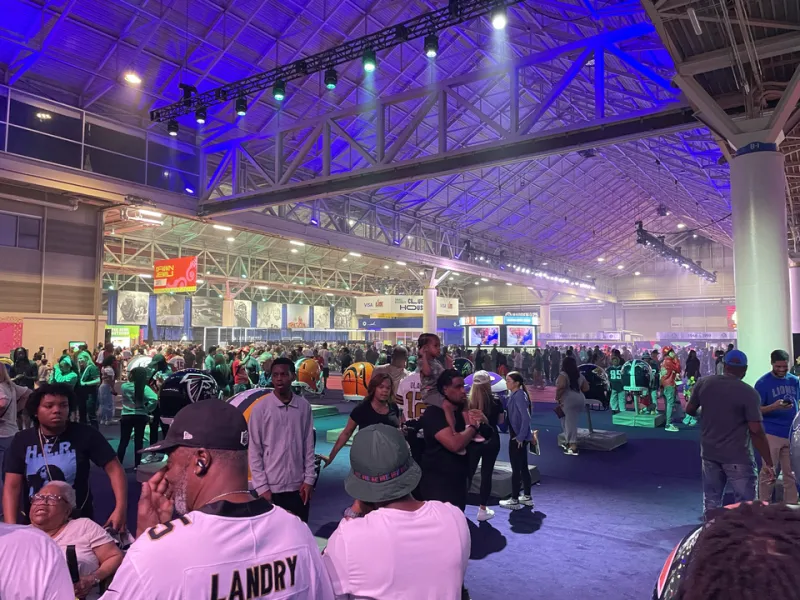
Photo: Elwin594, CC0, via Wikimedia Commons
From Marching Bands to Mega-Shows: How the NFL's Boring Intermission Became the World's Biggest Stage
Every February, roughly 120 million Americans watch a halftime show that costs more to produce than most Hollywood films. There are pyrotechnics, surprise guests, synchronized dancers by the hundreds, and enough lighting equipment to illuminate a small city. It is, by any measure, a spectacle.
But here's the thing nobody thinks about: it wasn't supposed to be any of that.
For the first few decades of professional football, halftime was essentially a bathroom break with a soundtrack. And the soundtrack? A college marching band that most fans were actively trying to ignore while they queued up for hot dogs.
The Intermission Nobody Cared About
When the Super Bowl launched in January 1967 — officially called the AFL-NFL World Championship Game that first year — the halftime entertainment was handled by the University of Arizona and Grambling State University marching bands. They were fine. They were competent. They were also completely forgettable.
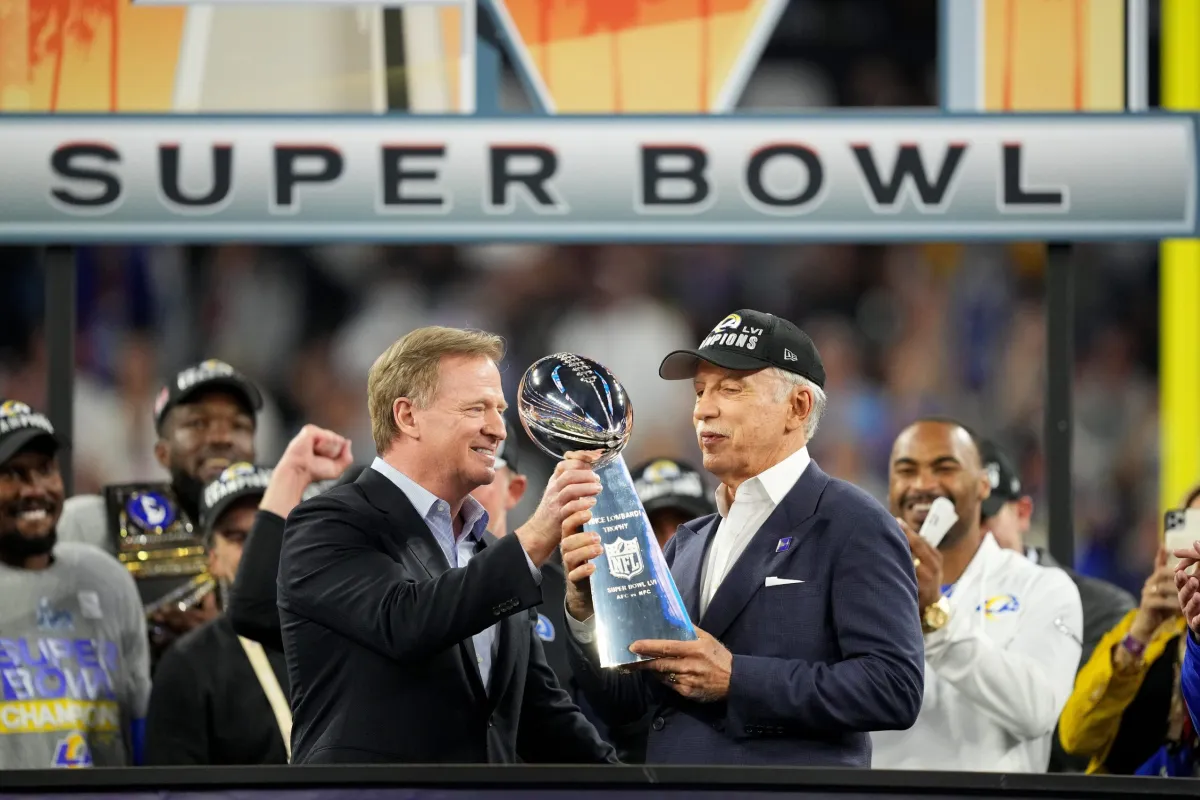 Photo: Super Bowl, via statico.profootballnetwork.com
For the next two decades, that was basically the template. Marching bands. Occasionally a drill team. Sometimes a themed pageant with names like "A Salute to the American Farmer" or "A Tribute to the Caribbean." These were the kinds of halftime shows that made fans check their watches and wander toward the concession stands.
The NFL wasn't particularly bothered. Football was the product. Everything else was filler.
But television had other ideas.
The Ratings Problem That Changed Everything
By the late 1980s, the Super Bowl had grown into the most-watched television event of the year. Advertisers were paying extraordinary sums for commercial slots. Network executives were obsessed with the numbers — and those numbers told an uncomfortable story: viewership dropped significantly during halftime.
Millions of people were turning off their TVs the moment the final whistle blew in the second quarter. For a broadcast that sold its ad time at a premium, a 15-minute audience exodus was a serious financial problem.
The solution, the networks and the NFL gradually agreed, was to give people a reason to stay on the couch.
In 1991, New Kids on the Block performed at Super Bowl XXV. It was a modest step — the production values were still pretty basic by modern standards — but it was a signal. The NFL was willing to trade the marching band tradition for something with broader pop appeal.
Then, in 1993, Michael Jackson said yes.
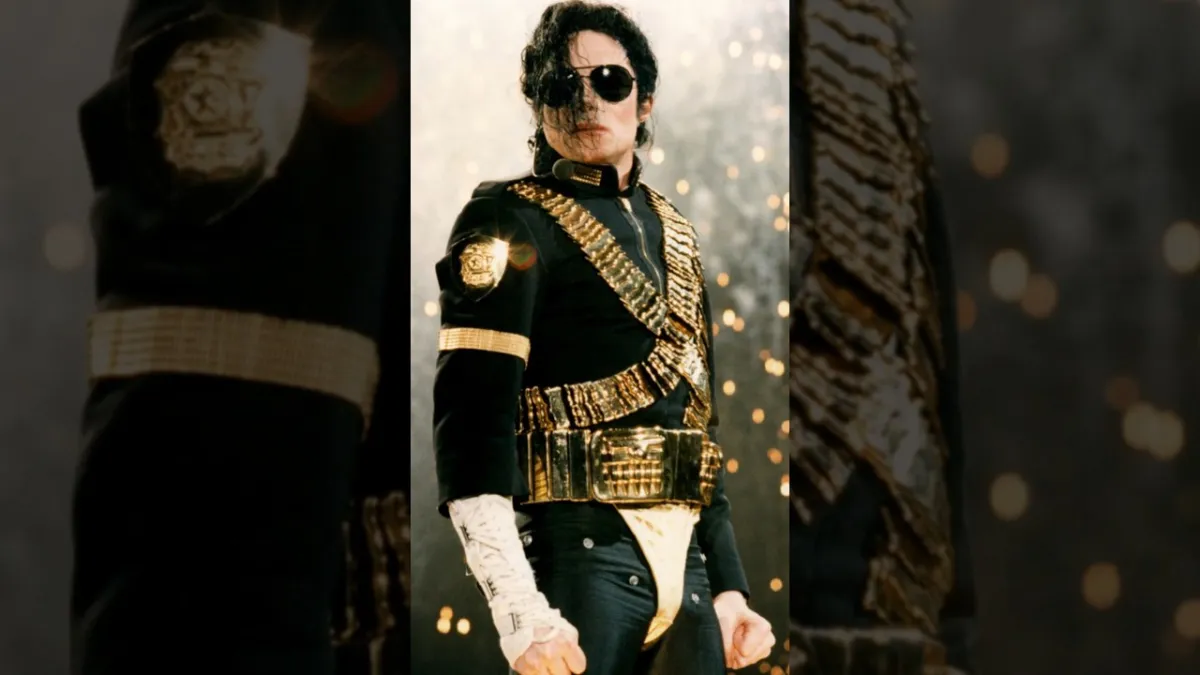 Photo: Michael Jackson, via i.ytimg.com
The Moment That Rewrote the Rules
Jackson's Super Bowl XXVII halftime performance didn't just change the show. It changed how the entire event was understood.
Before Jackson took the stage in Pasadena, halftime ratings were reliably lower than the game itself. After his performance — which opened with a full minute of Jackson simply standing still while the crowd built into a frenzy — something remarkable happened. The halftime ratings actually exceeded the game.
People who had no interest in football tuned in specifically for the show. Fans who'd left for the kitchen came sprinting back. The NFL, an organization not historically known for moving quickly, moved very quickly after that.
Within a few years, the league had locked in deals with the biggest names in entertainment. Diana Ross. The Rolling Stones. Prince. Beyoncé. Bruno Mars. The production budgets ballooned. The staging became more elaborate. The guest appearances became an annual guessing game that generated its own media cycle weeks before the game.
The Wardrobe Malfunction That Nobody Planned But Everyone Remembers
If Jackson's 1993 performance was the moment the halftime show became important, the 2004 Super Bowl was the moment it became inescapable.
Janet Jackson and Justin Timberlake's performance ended with what was euphemistically described as a "wardrobe malfunction" — a split-second incident that generated more FCC complaints than any broadcast event in American history. It dominated news coverage for weeks. It became a cultural shorthand for live television going wrong.
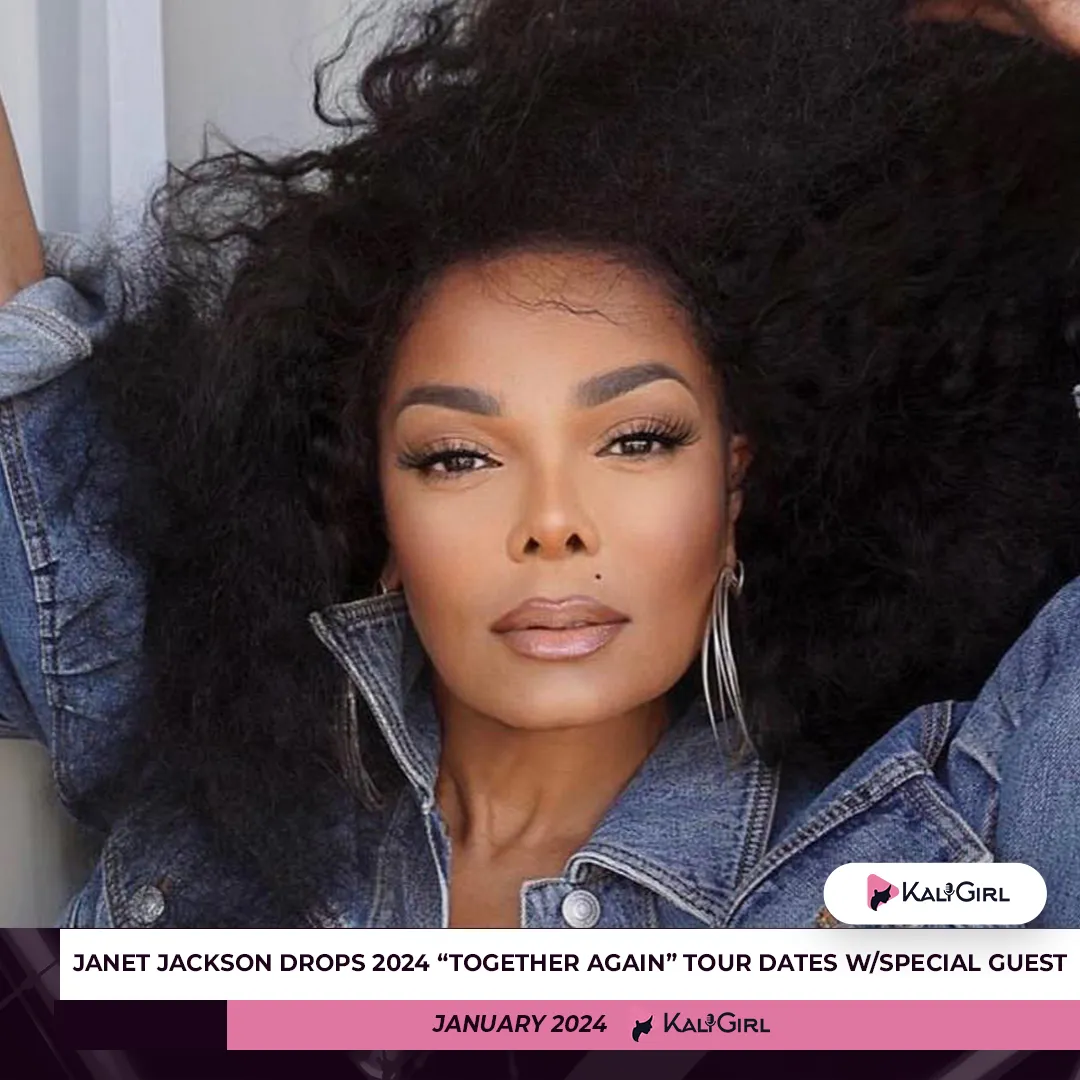 Photo: Janet Jackson, via kaligirlblog.com
But here's the unintended consequence: it made the halftime show impossible to ignore. Every year after, the question wasn't just "who's performing" but "what's going to happen." The show had acquired stakes. It had tension. It had the unpredictable quality that makes live events compelling.
The NFL, after initially distancing itself from the controversy, eventually understood what it had stumbled into. The halftime show wasn't just entertainment anymore. It was news.
A Tradition Built Entirely by Accident
What's remarkable about the halftime show's evolution is how little of it was deliberately designed. Nobody in 1967 looked at the University of Arizona marching band and thought, someday this slot will be worth more than the game itself. Nobody planned for Michael Jackson or Janet Jackson or Shakira or Rihanna.
The whole thing emerged from a series of reactive decisions: fix the ratings problem, book bigger names, respond to controversy, repeat.
Today, performing at the Super Bowl halftime show is considered one of the highest-profile gigs in the entertainment industry — and it's entirely unpaid. Artists perform for free because the exposure is worth more than any fee. That's how thoroughly the intermission that nobody watched has been transformed.
From a college band playing to an empty concession line, to a global cultural event with its own dedicated press corps and post-show analysis — the halftime show is proof that sometimes the thing everyone ignores eventually becomes the thing everyone talks about.
All it took was a ratings dip, one phone call to Michael Jackson, and a very unfortunate costume choice in Houston.