A Pie Tin, a Lawn, and the Accidental Birth of One of America's Most Passionate Sports

A Pie Tin, a Lawn, and the Accidental Birth of One of America's Most Passionate Sports
If you asked most Americans to name the origins of their favorite sport, you'd get some version of a founding moment — a gymnasium in Massachusetts, a sandlot in New Jersey, a frozen pond in Canada. But the sport of ultimate Frisbee? That one starts with dessert.
Specifically, it starts with pie.
Bridgeport's Best Accidental Export
The Frisbie Pie Company operated out of Bridgeport, Connecticut for decades, supplying pies and baked goods to grocery stores and college campuses across New England. By the 1940s, students at Yale, Harvard, and other nearby schools had figured out something the company never intended: the lightweight, aerodynamic tins that the pies came in flew surprisingly well when you flipped them through the air.
Kids started tossing them across quads and dining hall lawns. The tins would wobble and glide in a way that felt almost alive. Someone — and nobody can agree exactly who — started shouting "Frisbie!" as a warning to bystanders when a tin came sailing their way. It was part courtesy, part game. The name stuck long before the object ever changed.
For a while, that's all it was: a goofy campus pastime with a tin plate and no rules.
Wham-O Sees Something Nobody Else Did
In 1948, a California carpenter named Walter Frederick Morrison decided there was money in the concept. He'd been tinkering with flying disc designs since the late 1930s — partly inspired by the pie tin craze, partly just obsessed with aerodynamics. He and his business partner started selling plastic flying discs at county fairs and on beaches, where they'd dramatically introduce the product as a miracle of modern science. People paid a quarter just to see it fly.
Morrison eventually sold his design to Wham-O, the California toy company that had already made a fortune on the Hula Hoop. Wham-O saw the disc's potential immediately. In 1957, they started manufacturing it under the name "Pluto Platter" — leaning hard into the era's fascination with flying saucers and space travel. It sold decently, but the name never quite caught fire.
Then, on a sales trip through New England, a Wham-O executive watched college students tossing the discs around and heard them shouting "Frisbie!" at each other. He went back to California and convinced the company to rename the product. They tweaked the spelling slightly — "Frisbee" instead of "Frisbie" — and relaunched it in 1958. Within a few years, it was one of the best-selling toys in American history.
The Frisbie Pie Company, for the record, went bankrupt in 1958. The tin outlasted the bakery.
From Backyard Toy to Organized Sport
For most of the 1960s, the Frisbee remained exactly what it looked like: a toy. People threw it at the beach, in parks, in backyards. It was casual, unstructured, and deliberately low-stakes — the anti-sport.
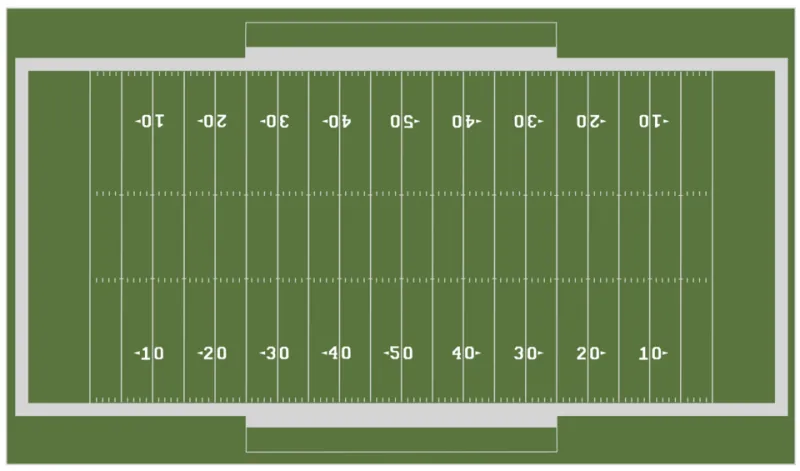
That changed in 1967 in Maplewood, New Jersey, when a group of high school students created the first formal rules for a Frisbee-based team game. They called it "ultimate Frisbee" — a nod to how seriously they were taking something everyone else dismissed. The basic concept was simple: two teams, an end zone at each end of a field, and a flying disc instead of a ball. No running with the disc. No contact. The sport carried a built-in honor system — players called their own fouls.
 Photo: Maplewood, New Jersey, via www.daisylimo.com
By 1972, Columbia High School was playing the first interscholastic ultimate Frisbee game. A year later, Rutgers and Princeton — the same schools that played the first college football game — squared off in the first collegiate ultimate match. The sport was quietly threading itself through American athletic culture, borrowing the same venues and rivalries that traditional sports had spent a century building.
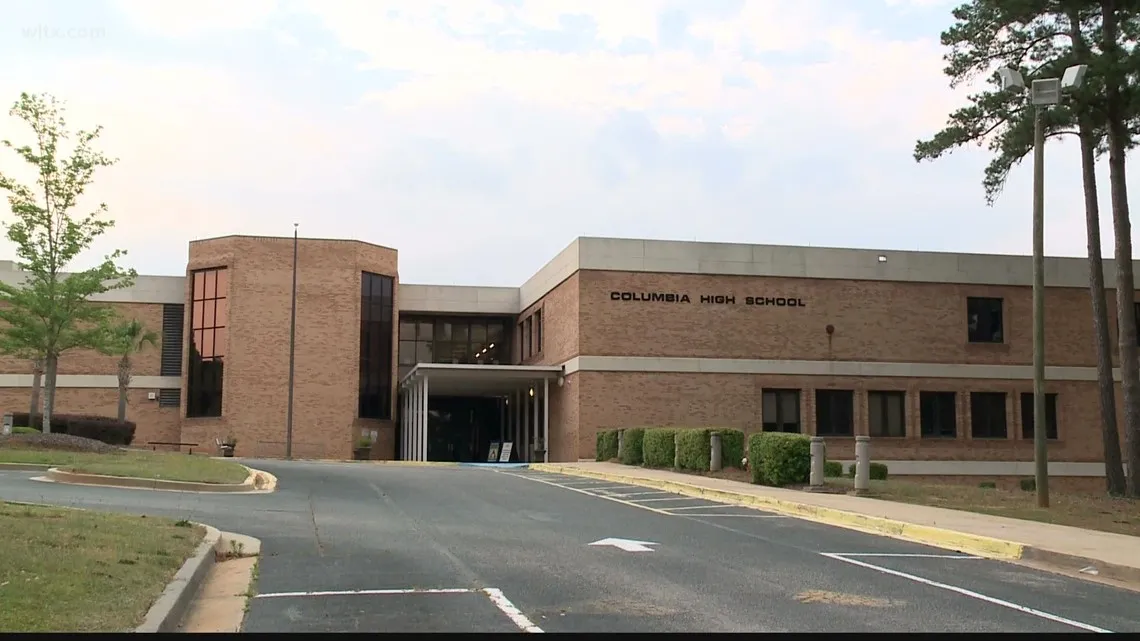 Photo: Columbia High School, via media.wltx.com
The first national championship was held in 1979. The Ultimate Players Association formed in 1979 as well. Suddenly, a pie tin game had a governing body.
The Community That Built Itself
What makes the rise of competitive Frisbee genuinely surprising isn't the sport itself — it's the culture that formed around it. Unlike most American sports, ultimate Frisbee grew almost entirely without corporate investment, television contracts, or professional salaries driving the expansion. Players organized their own tournaments, printed their own rulebooks, and built regional leagues through sheer enthusiasm.
Major League Ultimate launched in 2012, followed by the American Ultimate Disc League. Both organizations now run professional seasons with paid players, team ownership groups, and growing fan bases. The sport is played in more than 80 countries. USA Ultimate, the sport's national governing body, counts more than 70,000 members.
And perhaps most remarkably: Frisbee has been under consideration for inclusion in the Olympic Games. The sport that began as college students hollering warnings at each other across a Connecticut campus lawn is now knocking on the door of the world's biggest athletic stage.
Why a Pie Tin Still Matters
Every sport has a beginning that seems too small for what it eventually became. But the Frisbee's journey — from discarded bakery tin to organized athletic competition with professional leagues and Olympic aspirations — might be the most improbable arc of all.
It was never designed to be a sport. It was never marketed as one. It was a toy that people loved so much they refused to stop throwing it, and then refused to stop competing with it, and then refused to let anyone tell them it wasn't a real game.
The Frisbie Pie Company is long gone. The Yale students who first sent those tins spinning across the quad are long gone too. But the thing they accidentally started? It's still flying.