It Started as Lunch Leftovers. Now It's in Every Park in America.

Photo: colorful frisbee flying in park on sunny day, via img.freepik.com
It Started as Lunch Leftovers. Now It's in Every Park in America.
There's a good chance you've thrown a Frisbee. Maybe at a cookout, maybe on a beach, maybe in a park on a Saturday afternoon with nothing else going on. It's one of those objects so embedded in American life that it barely registers as remarkable anymore. But here's the thing about the Frisbee: nobody invented it on purpose. Nobody sat down with a sketchpad and thought, this is the future of backyard recreation. It happened the way a lot of great things happen — sideways, accidentally, and with a pie involved.
The Pie Company Nobody Remembers
In Bridgeport, Connecticut, there was a bakery called the Frisbie Pie Company. Founded in 1871 by William Russell Frisbie, it spent decades doing exactly what its name suggested — baking pies and delivering them across New England. The tins the pies came in were shallow, round, and had a satisfying lip around the edge. Practical for baking. As it turned out, also perfect for throwing.
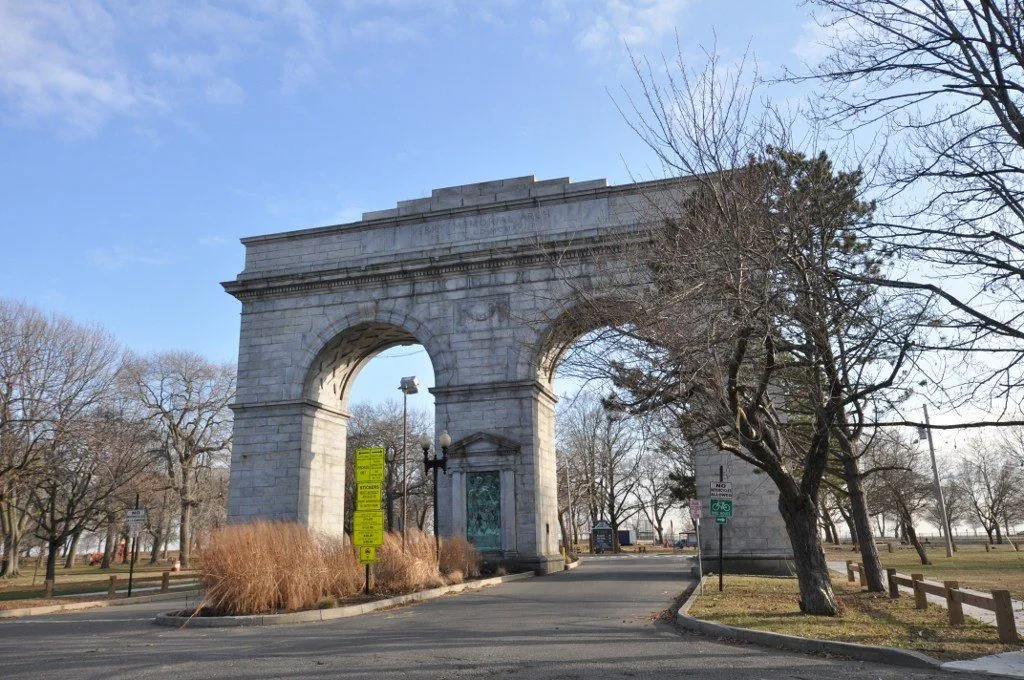 Photo: Bridgeport, Connecticut, via static1.thetravelimages.com
Yale University was just down the road in New Haven, and sometime in the late 1800s or early 1900s — the exact date is genuinely disputed — students started doing what college students have always done with objects that aren't meant to be thrown: they threw them. Empty Frisbie tins sailed across the quad. Someone would yell "Frisbie!" as a warning before launching one, partly as a courtesy, partly because it was funny. The tradition stuck. For decades, tossing pie tins was just a Yale thing — a quirky campus habit with no commercial ambition and no particular future.
 Photo: Yale University, via sumfinity.com
It might have stayed that way forever, if not for a man in California with a garage full of plastic.
The Inventor Who Saw Something Nobody Else Did
Walter Frederick Morrison was a building inspector and part-time dreamer living in Los Angeles in the late 1940s. He and his girlfriend (later his wife) had been tossing a popcorn lid back and forth on the beach one day when a stranger offered them money to buy the lid off them. Morrison, who had a gift for spotting opportunity in odd places, filed that memory away.
After World War II, with the country gripped by UFO fever and a booming interest in space-age materials, Morrison designed a plastic flying disc he called the Whirlo-Way, later renamed the Flyin-Saucer. It flew better than a tin plate, looked futuristic, and cost almost nothing to manufacture. He started selling them at county fairs, and people couldn't get enough.
In 1955, Morrison caught the attention of Wham-O, a small California toy company that had already built a reputation for selling things that seemed a little ridiculous until they weren't. They bought his design in 1957 and started manufacturing it. Then one of Wham-O's founders took a trip east, heard about the old Yale pie-tin tradition, and came back with a new name for the product.
They called it the Frisbee — a deliberate misspelling of the original pie company's name, possibly to sidestep trademark issues, possibly just because it looked better on a box. Either way, the name stuck harder than the pie tin ever had.
From Toy to Sport
For its first decade or so, the Frisbee was mostly a novelty — something you bought at a toy store, tossed around for an afternoon, and eventually lost under a hedge. Wham-O sold millions of them through the 1960s, but it was still firmly in the category of fun thing, not serious thing.
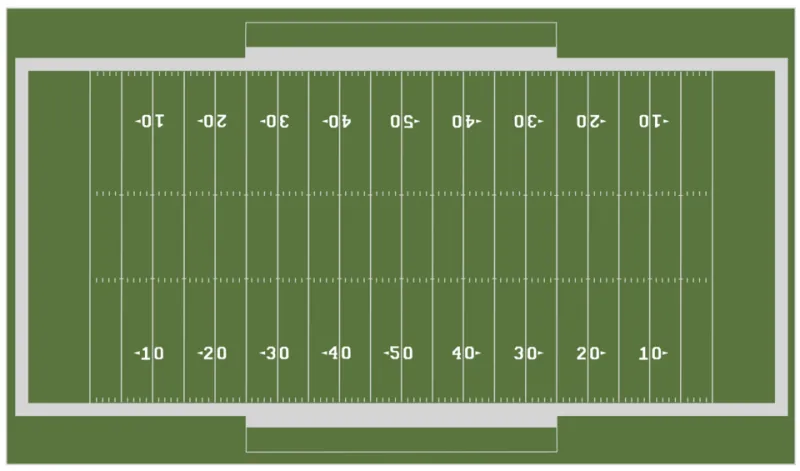
That started to change in 1968, when a group of students at Columbia High School in Maplewood, New Jersey invented a new game using the disc. They called it Ultimate Frisbee — a team sport combining elements of football and soccer, played on a large field, with the goal of catching the disc in the opposing end zone. No referees, no contact, and an unusual emphasis on sportsmanship that became baked into the game's official rules. Players were expected to call their own fouls. It was, and still is, genuinely strange for a competitive sport.
Ultimate spread through college campuses in the 1970s, found a passionate following, and today is played in more than 80 countries. USA Ultimate, the sport's national governing body, registers hundreds of thousands of players. There are professional leagues. There are international championships. There is a whole world of competitive flying-disc sport that traces its lineage directly back to a pie company in Connecticut that closed its doors in 1958.
Why It Still Matters
The Frisbee's story is a good reminder that the most enduring things often start without any plan at all. William Frisbie just wanted to sell pies. His tins happened to fly well. Some Yale students happened to notice. A California inventor happened to be on the right beach at the right moment. A toy company happened to need a new product.
None of them were trying to create an American institution. And yet here we are — with Frisbees in garages across the country, in the permanent collection of the Smithsonian, and in the middle of competitive sports arenas from New Jersey to New Zealand.
Next time you're standing in a park and someone sails a disc in your direction, you're holding about 150 years of accidental history. Try not to drop it.