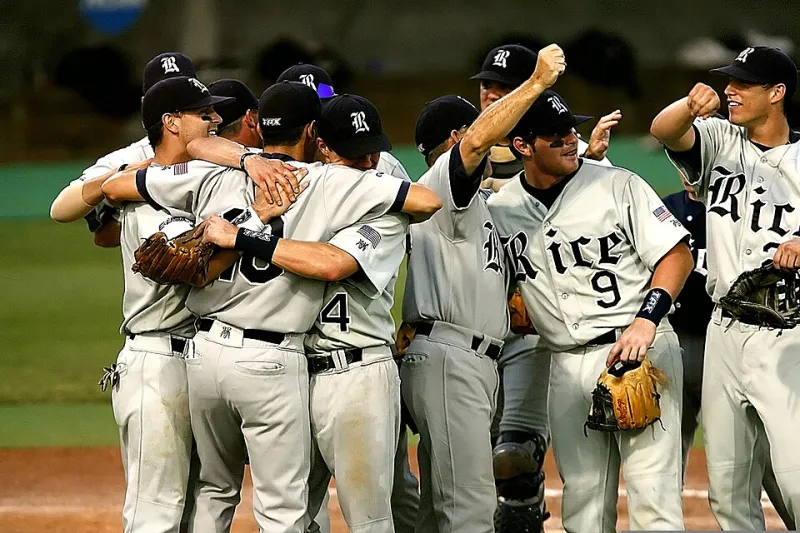
Eight Hundred Years of Throwing Your Hat in the Air — and We Still Can't Stop
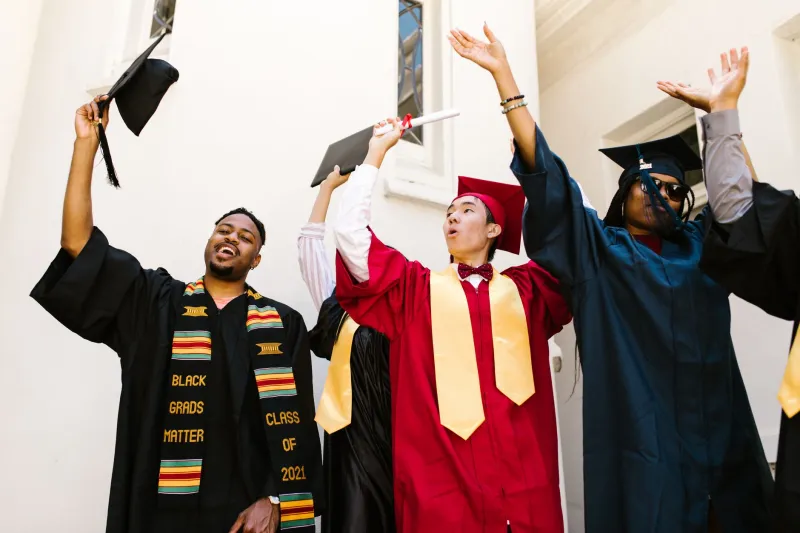
Picture a graduation ceremony. The speeches are done. The last name has been called. And then — almost before anyone consciously decides to do it — hundreds of square caps launch into the sky all at once. People cheer. Parents cry. Photographers scramble.
Nobody tells you to do this. Nobody teaches it. And yet generation after generation, in stadiums and gymnasiums and fields across America, people throw their hats in the air when something wonderful happens.
Where did that come from? The answer stretches back eight centuries, through medieval battlefields, naval traditions, and one very famous moment at a military school in Annapolis, Maryland.
It Started With Armor, Not Graduation Caps
To find the beginning of this story, you have to go back to medieval Europe — specifically to the culture surrounding knights and tournament combat in the twelfth and thirteenth centuries.
Knights in full armor wore helmets that were not just heavy but genuinely claustrophobic. Visors limited vision. Padding trapped heat. Wearing a helmet for any length of time during combat or tournament competition was physically exhausting in ways that are hard to fully appreciate from a modern distance.
When a knight won — when the fight was over and the danger had passed — the first instinct was to get that helmet off. Fast. And when you've just won something significant while wearing ten pounds of iron on your head, you don't carefully set the helmet down. You throw it.
Historical accounts and illuminated manuscripts from the medieval period describe knights flinging their helmets skyward after tournament victories, and the gesture was understood by everyone watching as pure, unfiltered exuberance. It was visceral. It was immediate. It communicated triumph in a way that didn't require any shared language.
The helmet throw was, in its earliest form, exactly what the hat throw is today: a body doing what it wants to do when joy becomes too large to contain.
The Gesture Travels Through Time
As plate armor fell out of fashion and the age of knights gave way to early modern Europe, the specific act of throwing a helmet became less common — mostly because fewer people were wearing helmets. But the gesture itself didn't disappear. It migrated.
By the seventeenth and eighteenth centuries, hat-throwing had become a recognized expression of public celebration across Europe. Crowds threw their hats at coronations, at military victories, at the return of beloved public figures. Samuel Pepys, the famous English diarist, recorded scenes of hat-throwing during the Restoration of King Charles II in 1660, describing London crowds in a frenzy of tossed headwear.
In colonial America, hat-throwing was a feature of public celebrations from the earliest days of settlement — at military victories, at the signing of treaties, at the conclusion of harvest festivals. It crossed the Atlantic as a piece of cultural vocabulary that didn't need explanation.
But the moment that most directly connects to the modern graduation tradition happened in 1912, on the grounds of the United States Naval Academy in Annapolis.
Annapolis, 1912: The Throw That Stuck
For years before 1912, Naval Academy graduates had faced an awkward problem. The midshipmen who graduated each year were immediately commissioned as officers — which meant that the moment their names were called, they were required by military protocol to switch from their midshipmen's caps to their officer's hats.
For most of the Academy's history, graduating midshipmen had held onto their old caps as keepsakes. The caps were personal objects, worn through years of training, and graduates were reluctant to simply discard them.
The class of 1912 found a more satisfying solution. When the ceremony concluded and the new officers reached for their dress uniform covers, someone — history doesn't record exactly who — threw their old midshipman's cap into the air. The rest of the class followed immediately. The gesture was spontaneous, unanimous, and instantly understood by everyone watching.
The image spread quickly. Newspapers covered it. The Naval Academy formalized it into tradition. And within a generation, the cap toss had migrated from Annapolis to college campuses across the country, where it took on the form we recognize today — the mass, synchronized throw at the conclusion of commencement ceremonies.
Why It Survived When So Many Traditions Didn't
Here's what's genuinely remarkable about the hat throw: it survived the complete disappearance of the object it originally involved.
Medieval helmets are gone. The elaborate hats of eighteenth-century fashion are gone. Even the specific caps thrown at graduation ceremonies — the mortarboard, which dates to fifteenth-century academic culture — are objects most people wear exactly once in their lives. And yet the gesture persists, crossing centuries and completely different types of headwear without losing any of its emotional power.
The reason, most likely, is that the gesture itself does something that words and applause can't quite replicate. Throwing something upward is physically releasing. It's a way of letting go — of effort, of stress, of the version of yourself that existed before the achievement. And it's communal in a way that's hard to manufacture. When everyone throws at once, something happens in that moment that feels genuinely shared.
Sports fans throw hats onto the ice when a hockey player scores three goals in one game — a tradition called the hat trick. Spectators at bullfights in Spain throw hats into the ring to honor exceptional performances. At political rallies and victory celebrations throughout American history, hats have gone airborne at the decisive moment.
The Oldest Celebration We Still Perform
Next time you watch a graduation class throw their caps into the air, consider what you're actually seeing. You're watching a gesture that a medieval knight performed after removing his helmet on a tournament field in the thirteenth century. You're watching something that crossed an ocean, survived the complete transformation of fashion and culture, and arrived intact at this gymnasium in this city in this year.
Eight hundred years of human joy, traveling through time in a single upward throw.
Some things begin. Some things just keep going.