The Foghorn That Found Its Way From Sea to Stadium
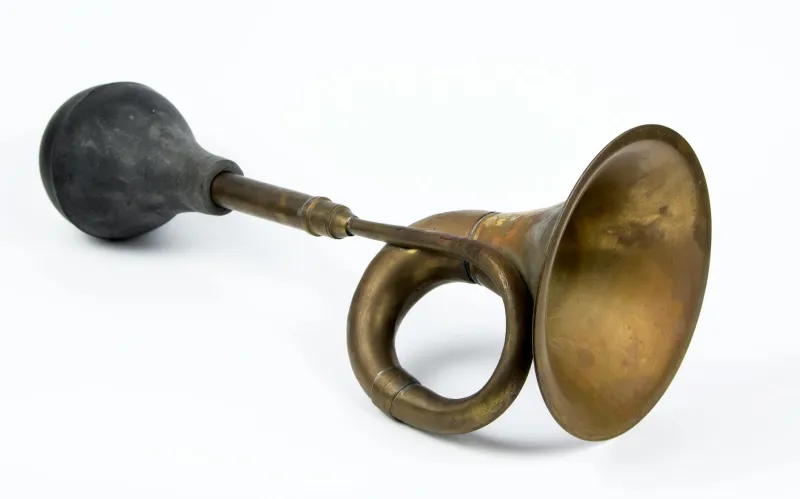
The Sound That Stops Traffic
Every American sports fan knows the sound. That sharp, piercing blast that cuts through crowd noise like a knife through butter. The air horn's distinctive wail signals the end of a basketball quarter, the start of a hockey period, or simply that someone in section 203 really wants everyone to know their team just scored.
But this ubiquitous stadium soundtrack began its life in a completely different arena: the fog-shrouded shipping lanes of the North Atlantic.
When Fog Meant Life or Death
In 1908, maritime engineer Arthur Munro was losing sleep over a problem that had plagued sailors for centuries. Ships were colliding in dense fog at an alarming rate, and the traditional steam whistles simply weren't cutting through the thick maritime soup that regularly blanketed major shipping routes.
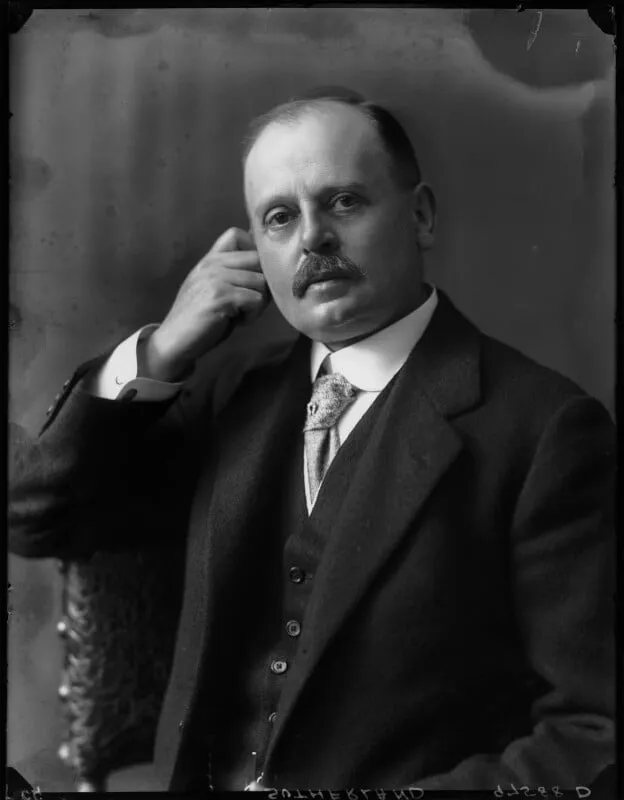 Photo: Arthur Munro, via collectionimages.npg.org.uk
Munro's solution was elegantly simple: compress air into a small canister, add a reed mechanism, and create a sound so piercing it could cut through fog, wind, and engine noise from miles away. The first air horns were installed on cargo ships crossing the Great Lakes, where sudden weather changes could turn a routine voyage into a deadly game of maritime bumper cars.
The device worked exactly as intended. Ship collisions in fog dropped dramatically wherever the new horns were installed. By 1920, maritime regulations required air horns on most commercial vessels operating in American waters.
The Accidental Migration to Land
The air horn might have remained forever at sea if not for a coincidence that changed American sports culture forever. In 1967, a Chicago Bulls equipment manager named Pete Williams was shopping for used equipment when he stumbled across a surplus maritime supply store near Navy Pier.
 Photo: Pete Williams, via lawenforcement.training
Williams wasn't looking for sound equipment—he needed replacement water bottles. But the store owner, a former merchant marine, happened to demonstrate one of his old ship horns while Williams was browsing. The sound was so commanding, so impossible to ignore, that Williams immediately saw its potential.
"You could barely hear the regular buzzer over the crowd noise at Chicago Stadium," Williams later recalled in a 1995 interview. "But this thing? This thing could wake the dead."
 Photo: Chicago Stadium, via upload.wikimedia.org
The Sound of Authority
Williams brought his maritime discovery to Bulls games, initially using it only during timeouts when the official buzzer failed to quiet the notoriously loud Chicago Stadium crowd. The effect was immediate and undeniable. Players stopped mid-conversation. Fans turned toward the court. Even opposing teams' coaches paused their sideline speeches.
Word spread quickly through the tight-knit community of NBA equipment managers. By 1970, air horns had appeared in arenas from Boston to Los Angeles. The sound became so associated with basketball that television networks began incorporating air horn blasts into their broadcast audio packages.
From Basketball Courts to Everywhere Else
The migration from maritime safety to basketball timeouts was just the beginning. High school football coaches discovered that air horns could signal the end of practice from across entire fields. Hockey rinks adopted them for face-offs. Soccer referees found them perfect for getting players' attention during chaotic scrums.
By 1980, the air horn had become the unofficial sound of American recreational sports. Little League parents brought them to games. Backyard basketball courts echoed with their sharp reports. Beach volleyball tournaments were punctuated by their distinctive blasts.
The Science of the Sound
What makes the air horn so effective isn't just volume—it's frequency. Maritime engineers had discovered that sounds in the 3,000-4,000 Hz range cut through ambient noise more effectively than either higher or lower frequencies. This same frequency range happens to be perfectly suited for cutting through crowd noise, making it ideal for sports applications.
The compressed air mechanism also creates a sound that's impossible to ignore on a neurological level. The sharp attack and sustained tone trigger an immediate attention response in the human brain—exactly what you want when trying to stop a basketball game or signal the end of a hockey period.
The Sound That Refuses to Be Replaced
Despite decades of technological advancement, no electronic replacement has ever matched the air horn's combination of simplicity, reliability, and pure auditory authority. Digital sound systems can replicate the frequency, but they lack the organic unpredictability that makes each air horn blast slightly unique.
Modern stadium sound designers have tried everything from synthesized tones to recorded animal calls, but fans and officials keep returning to the simple compressed air device that Arthur Munro designed to save ships in the fog.
Today, the air horn remains as essential to American sports as the scoreboard or the playing field itself. From professional arenas to backyard barbecue games, that distinctive maritime wail continues to command attention, stop action, and mark the moments that matter.
What started as a fog-piercing safety device has become the sound of American competition itself—proof that the most enduring innovations often find their true purpose in places their inventors never imagined.