The Chaos That Put Numbers on Every Jersey in America
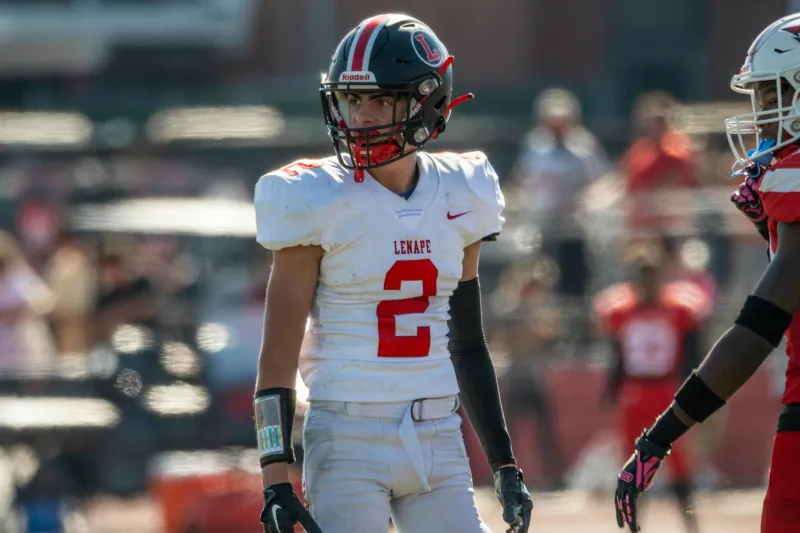
When Nobody Knew Who Was Playing
Picture this: You're sitting in the stands at a college football game in 1910, watching 22 men in identical uniforms crash into each other. Someone makes an incredible play, and you turn to your friend to ask, "Who was that?" Your friend shrugs. Nobody knows.
This wasn't a problem—it was just how sports worked. Players were anonymous bodies in matching outfits. Team owners liked it that way. Why help fans identify individual players when you could sell tickets based on team loyalty alone?
But one chaotic afternoon in 1915 would accidentally solve a problem nobody realized they had.
The Game That Changed Everything
The University of Pittsburgh was hosting Washington & Jefferson College for what should have been a routine Saturday matchup. Instead, it became the most confusing sporting event in American history.
 Photo: Washington & Jefferson College, via events.admissions.gmu.edu
 Photo: University of Pittsburgh, via wallpapers.com
Pittsburgh had invited local sportswriters to help identify players for their reports. But when the writers arrived, they couldn't tell anyone apart. The uniforms were too similar, the action too fast, and the crowd too loud for anyone to track who was doing what.
Halfway through the first quarter, frustrated fans began shouting conflicting information about which player had just scored. Arguments broke out in the stands. The sportswriters threw up their hands and started making up names for their articles.
The Emergency Solution
During halftime, Pittsburgh's athletic director made a desperate decision. He sent assistants running to find anything that could help identify players. They returned with safety pins and pieces of paper.
In the locker room, they hastily pinned numbers onto the backs of Pittsburgh's jerseys. It was supposed to be a one-time fix to prevent a riot in the second half.
The numbers worked. Suddenly, fans could follow individual performances. Sportswriters could file accurate reports. The crowd's energy shifted from confused frustration to engaged excitement.
Why It Spread Like Wildfire
Word about Pittsburgh's numbered jerseys spread through college football faster than anyone expected. Other schools weren't copying the idea because they thought it was brilliant—they were copying it because it solved problems they didn't know they had.
Newspaper circulation increased when readers could follow specific players across multiple games. Attendance grew when fans could develop attachments to individual athletes. Betting became more sophisticated when gamblers could track player statistics.
By 1920, most college teams had adopted numbered jerseys. Professional leagues followed reluctantly, worried that individual player recognition might undermine team loyalty.
The Unexpected Consequences
Numbered jerseys accidentally created the foundation for modern sports culture. Fantasy leagues became possible when fans could track individual statistics. Trading cards made sense when players had permanent identities. Merchandise sales exploded when fans could buy their favorite player's number.
The numbers also changed how athletes thought about themselves. Instead of being interchangeable team members, they became individual brands. Star players began requesting specific numbers. Retired numbers became symbols of greatness.
From Emergency Fix to Sacred Tradition
What started as a panicked solution to crowd control became the most universal feature of American athletics. Every sport adopted numbered uniforms, from basketball to hockey to soccer.
The numbers transcended sports entirely. Military units, emergency responders, and work crews all adopted numbered identification systems based on the athletic model.
Today, jersey numbers carry enormous cultural weight. Michael Jordan's 23, Babe Ruth's 3, and Joe Montana's 16 are more recognizable than most corporate logos. Athletes change teams, but their numbers follow them into history.
The Modern Legacy
That emergency decision in Pittsburgh accidentally solved one of sports' biggest problems: How do you turn anonymous physical competition into personal narrative?
Numbered jerseys gave every athlete an identity that transcended individual games. They created a simple system for tracking performance across time. Most importantly, they transformed sports from team-based entertainment into character-driven drama.
Every time you cheer for a specific player, argue about statistics, or buy a jersey with someone's name on it, you're participating in a tradition that began with safety pins and scraps of paper during a chaotic football game nobody was supposed to remember.
The next time you see an athlete's number retired to the rafters, remember that those digits started as an desperate attempt to prevent a crowd from losing their minds during one confusing afternoon in Pennsylvania.