How World War II Soldiers Brought Japan's Simplest Shoe to American Stadiums
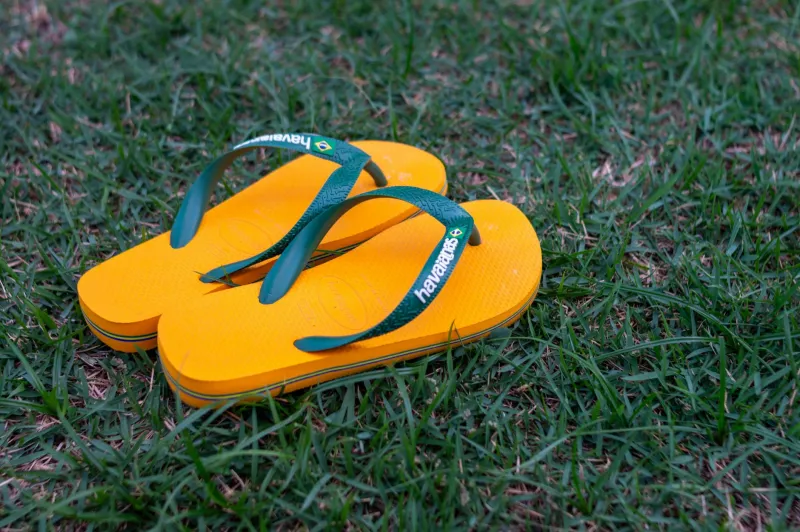
The Shoe That Conquered America's Playing Fields
Walk through any stadium parking lot on game day and you'll see them everywhere: flip-flops. They're on the feet of tailgaters grilling burgers beside pickup trucks, beach volleyball players warming up on makeshift courts, and fans heading to outdoor concerts and sporting events across the country.
This simple rubber sandal has become so synonymous with American leisure culture that it's hard to imagine a time when they didn't exist. But the flip-flop's path to American sports culture winds through ancient Egypt, feudal Japan, and the aftermath of World War II—a journey that reveals how military necessity can reshape civilian fashion.
Ancient Beginnings, Modern Destinations
The basic concept of the flip-flop—a flat sole held to the foot by a thong between the toes—is ancient. Egyptian murals from 4,000 years ago show pharaohs wearing elaborate versions made from woven reeds and papyrus. The design spread throughout the ancient world, with variations appearing in Greece, Rome, and eventually across Asia.
But it was in Japan where the flip-flop found its most refined expression. The traditional "zori" sandal, crafted from rice straw and later rubber, became an integral part of Japanese daily life. Unlike their ancient predecessors, Japanese zori were designed for comfort and durability, featuring carefully engineered toe posts and sole shapes that distributed weight evenly.
For centuries, this remained a distinctly Asian footwear tradition. Americans knew nothing of the zori's practical elegance.
The Soldiers Who Changed Everything
World War II changed the trajectory of the humble flip-flop forever. As American forces occupied Japan following the war's end in 1945, soldiers encountered zori sandals for the first time. After years of heavy military boots, the lightweight, breathable sandals were a revelation.
Sergeant Robert Mitchell of the 82nd Airborne described the experience in a letter home: "These Japanese sandals are like walking on air after combat boots. Every guy in the unit is trying to get a pair."
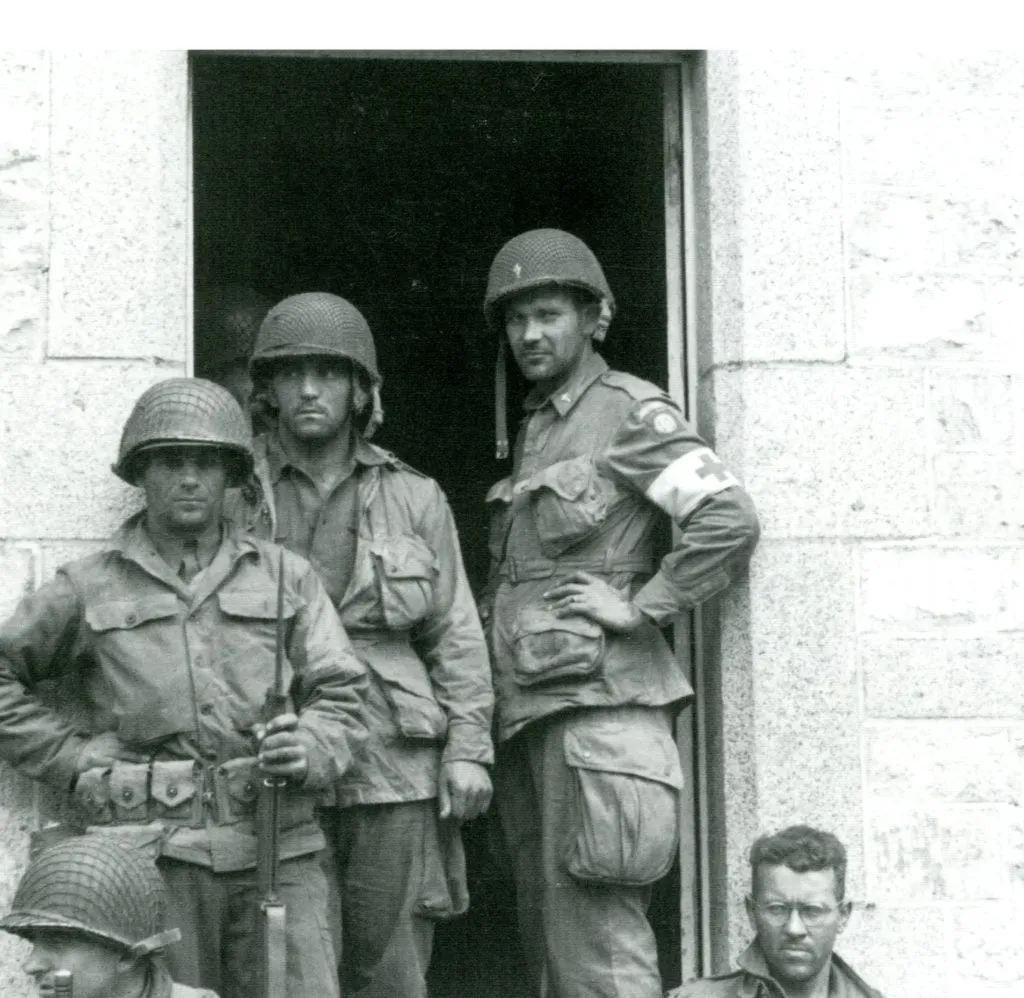 Photo: 82nd Airborne, via airborne-museum.org
GIs began buying zori from local vendors, initially wearing them around military bases during off-duty hours. The sandals were perfect for hot, humid Japanese summers and provided relief for feet that had endured months in heavy leather boots.
The Journey Home
When American forces began returning home in 1946 and 1947, thousands of soldiers packed zori in their duffel bags. These weren't souvenirs—they were practical footwear that had proven invaluable during the occupation.
Back in the United States, returning veterans introduced their families and friends to the Japanese sandals. Initially, they were curiosities, worn primarily around the house or during yard work. But American entrepreneurs quickly recognized the commercial potential.
The Rubber Revolution
In 1957, a New Zealand businessman named Morris Yock was vacationing in Japan when he encountered the traditional zori. Yock saw an opportunity to mass-produce the design using modern rubber manufacturing techniques. He partnered with American rubber companies to create the first mass-market flip-flops designed specifically for Western consumers.
The timing was perfect. Post-war America was embracing casual lifestyle culture. Suburban families were moving to homes with swimming pools and backyard patios. The flip-flop's combination of comfort, affordability, and easy maintenance made it ideal for this new leisure-focused lifestyle.
Finding Their Sports Identity
The transformation from casual footwear to sports culture staple happened gradually through the 1960s and 1970s. California beach culture adopted flip-flops as the perfect footwear for sand volleyball and surfing. College campuses embraced them as practical dorm shoes.
But it was the rise of tailgating culture that truly cemented flip-flops' place in American sports tradition. Football fans discovered that flip-flops were perfect for stadium parking lots—easy to slip on and off, comfortable for standing on hot asphalt, and casual enough to match the relaxed atmosphere of pre-game festivities.
The Parking Lot Uniform
By the 1980s, flip-flops had become the unofficial uniform of American sports fans. They appeared at baseball games, football tailgates, basketball tournaments, and outdoor sports events of every description. The sandals' association with leisure and relaxation made them perfect for the celebratory atmosphere of game day.
Sporting goods manufacturers began producing flip-flops specifically designed for athletic activities. Enhanced arch support, improved toe post materials, and team-themed designs transformed the simple Japanese zori into specialized sports footwear.
The Cultural Symbol
Today, flip-flops represent something distinctly American: the democratization of comfort. Unlike expensive athletic shoes or formal footwear, flip-flops are accessible to everyone. They're worn by millionaire athletes and minimum-wage workers with equal enthusiasm.
In stadium parking lots across the country, flip-flops serve as the great equalizer. They signal that you're here to relax, have fun, and enjoy the game—not to impress anyone with your fashion sense or financial status.
The Enduring Legacy
The flip-flop's journey from ancient Egyptian tombs to American tailgates illustrates how cultural exchange happens in unexpected ways. A Japanese adaptation of an ancient design became an American cultural icon through the accidental intervention of World War II soldiers.
Today, Americans purchase over 200 million pairs of flip-flops annually, with peak sales occurring during sports seasons. The simple rubber sandal has become as essential to American leisure culture as hot dogs and baseball caps.
What started as practical footwear for occupied Japan became the defining shoe of American sports culture—proof that sometimes the most enduring cultural traditions begin with soldiers just trying to keep their feet comfortable.