How Ancient Romans Accidentally Became America's Final Authority
When Emperors Needed God's Opinion
Two thousand years ago, Roman Emperor Augustus faced a problem that would sound familiar to any modern referee: How do you make a decision that everyone will accept as legitimate, even when half the people involved will hate the outcome?
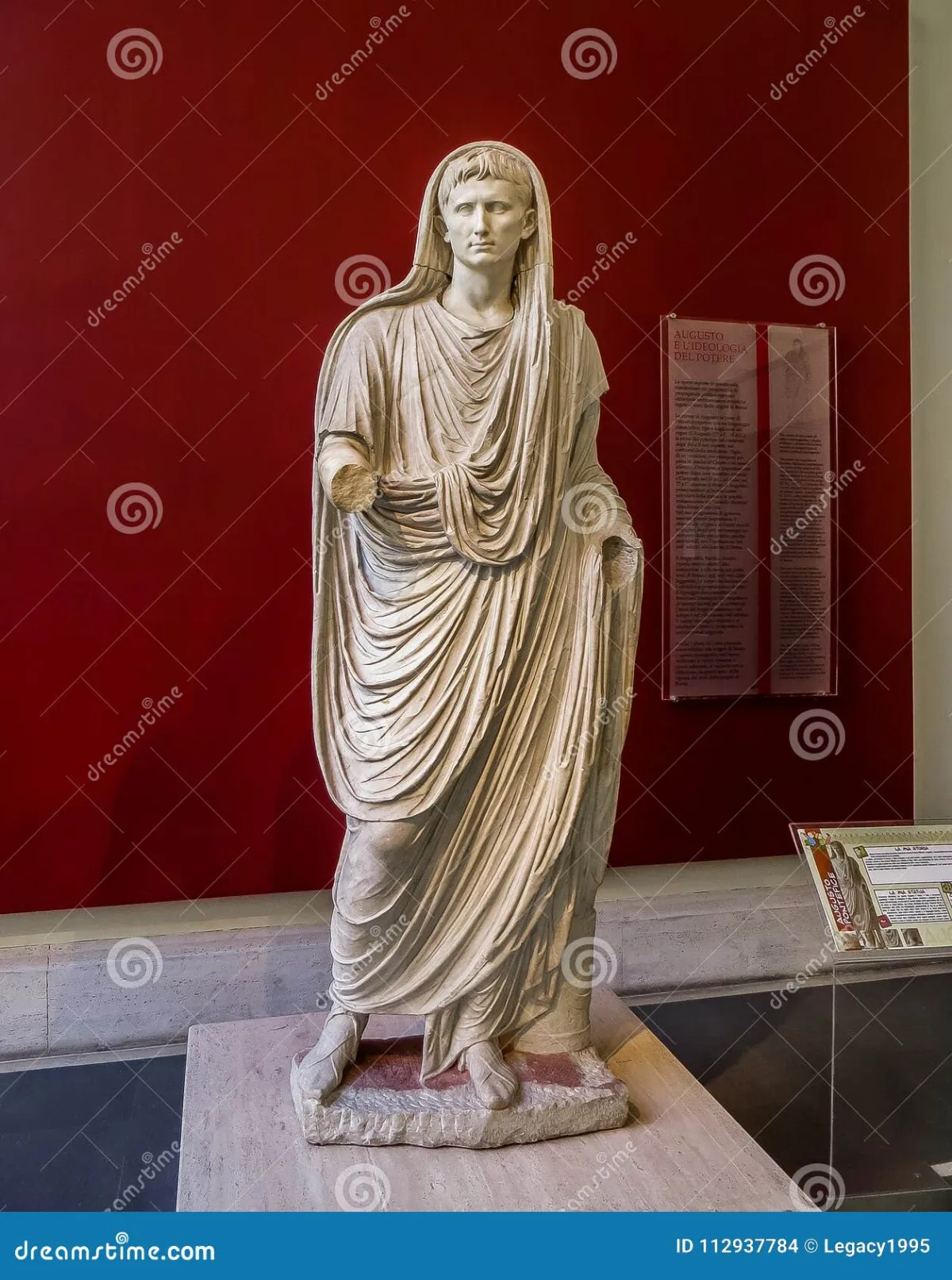 Photo: Augustus, via thumbs.dreamstime.com
His solution was brilliant political theater. Augustus would flip a coin bearing his own image and declare that the gods had spoken through the result. It wasn't about fairness—it was about making divine authority seem to endorse whatever Augustus wanted to do anyway.
The Romans called this practice "navia aut caput"—ship or head—referring to the images stamped on opposite sides of their coins. Citizens accepted the results not because they trusted randomness, but because they believed the gods controlled the outcome.
This ancient propaganda trick somehow became America's most sacred symbol of impartial decision-making.
The Journey Across Centuries
Coin flipping survived the fall of Rome, traveled through medieval Europe, and crossed the Atlantic with early American settlers. But it transformed along the way from divine consultation to practical problem-solving.
Colonial Americans used coin flips to settle property disputes, choose jury members, and determine who got the last piece of bread during harsh winters. The practice felt democratic because nobody could manipulate the outcome—or so everyone assumed.
By the 1800s, "heads or tails" had become the standard American phrase, replacing the Roman "ship or head." The method was spreading into organized sports, where officials needed quick ways to make decisions that both teams would accept.
Sports Embrace the Flip
Baseball was first. In the 1870s, team captains began flipping coins to determine which team would bat first. The practice seemed so obviously fair that other sports copied it without question.
Football adopted coin flips for kickoff decisions. Basketball used them for jump ball alternatives. Tennis employed them for serve selection. Each sport assumed they were implementing a perfectly random, perfectly fair system.
The 1958 NFL Championship Game made the coin flip famous nationwide. Johnny Unitas called "tails" for the Baltimore Colts in overtime, won the toss, and drove his team to victory in what many consider the greatest game ever played. Suddenly, the coin flip wasn't just procedure—it was dramatic tension.
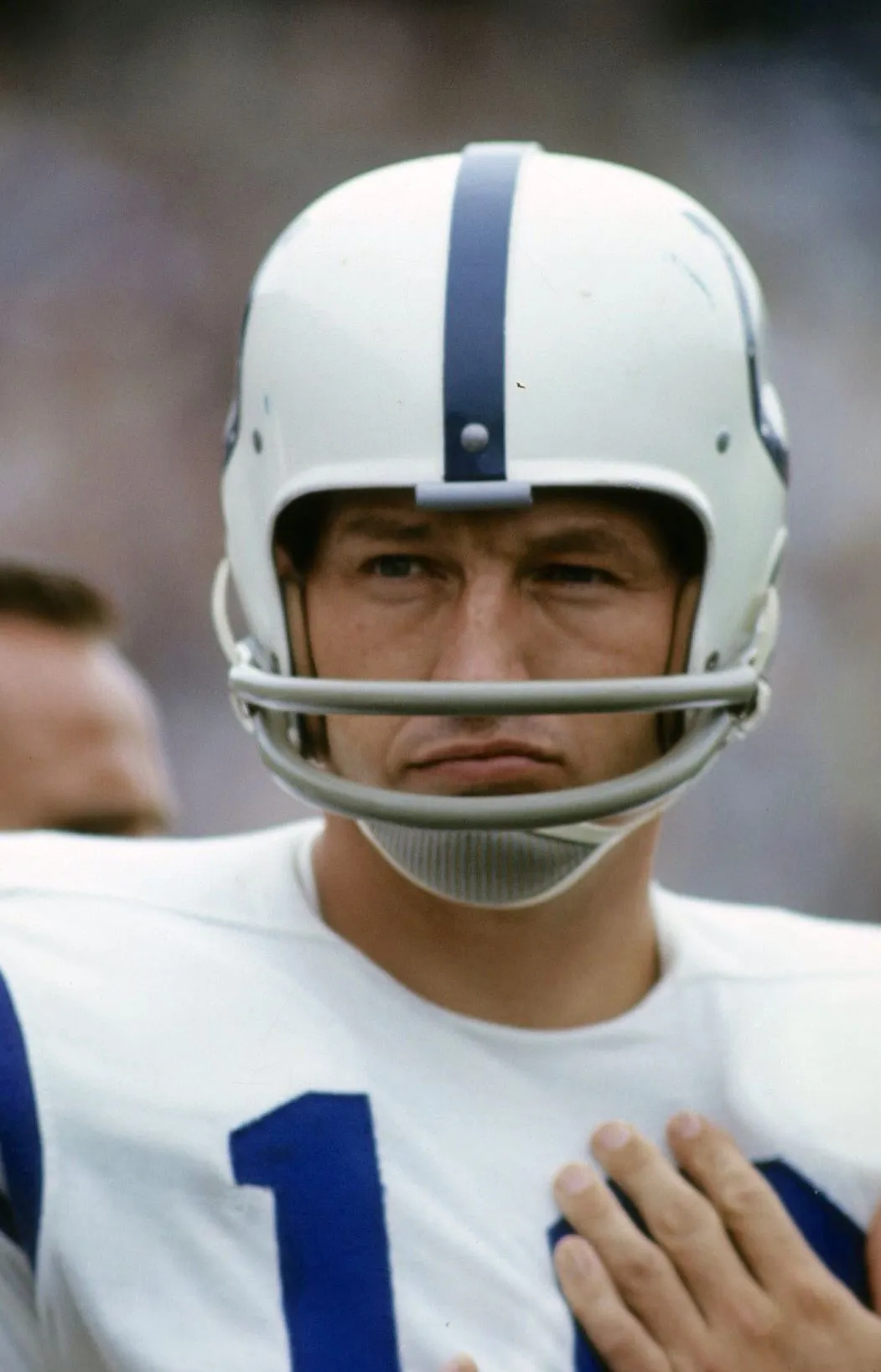 Photo: Johnny Unitas, via i.pinimg.com
The Science Nobody Wanted to Hear
In 2007, Stanford mathematician Persi Diaconis published research that shattered the coin flip's reputation for perfect fairness. His experiments revealed that flipped coins land on the same side they started on about 51% of the time.
The bias comes from the physics of flipping. Coins spend more time in the air with their starting side facing up, giving that side a slight statistical advantage. It's not much, but it's enough to matter in high-stakes situations.
Sports leagues ignored this research completely. The coin flip had become too embedded in American culture to abandon over a 1% statistical bias.
Beyond Sports: Democracy's Last Resort
The coin flip's reputation for fairness made it America's go-to solution for deadlocked elections. When voting results in exact ties, many states require officials to flip coins to determine winners.
In 2017, a Virginia House of Delegates race ended in a perfect tie after multiple recounts. Officials placed two names in a film canister, shook it, and drew one out—essentially a coin flip that determined control of the entire state legislature.
The practice extends to jury selection, draft lotteries, and corporate boardroom disputes. Americans trust coin flips to make decisions that courts, committees, and complex procedures cannot resolve.
The Psychology of Acceptance
Why do Americans accept coin flip results so readily? Psychologists point to the illusion of divine intervention that Augustus exploited two millennia ago. Even though modern Americans don't believe gods control coin flips, the randomness feels like fate rather than human manipulation.
The coin flip also provides psychological closure. When people can't agree on a fair decision-making process, they can almost always agree that neither side can control a coin's rotation in mid-air.
Most importantly, coin flips feel temporary. Losing a coin toss doesn't feel like losing an argument—it feels like accepting bad luck that might change next time.
The Ritual That Binds Us
Super Bowl coin tosses draw television audiences in the millions. March Madness brackets depend on coin flips to break ties. Presidential elections have been decided by coin flips in small towns across America.
 Photo: Super Bowl, via enjoyorangecounty.com
What started as Roman imperial propaganda became America's most trusted arbitrator. We've kept the ritual while completely forgetting its origins.
Every time you see a referee flip a coin, you're watching the descendant of Augustus Caesar's political theater. The emperor would be amazed that his divine consultation trick became a symbol of democratic fairness.
The coin that was never supposed to decide anything important now decides everything Americans can't figure out how to decide themselves. Sometimes the most lasting solutions are the ones nobody planned to last at all.