The Presidential Visit That Made Baseball Fans Stand Up Forever
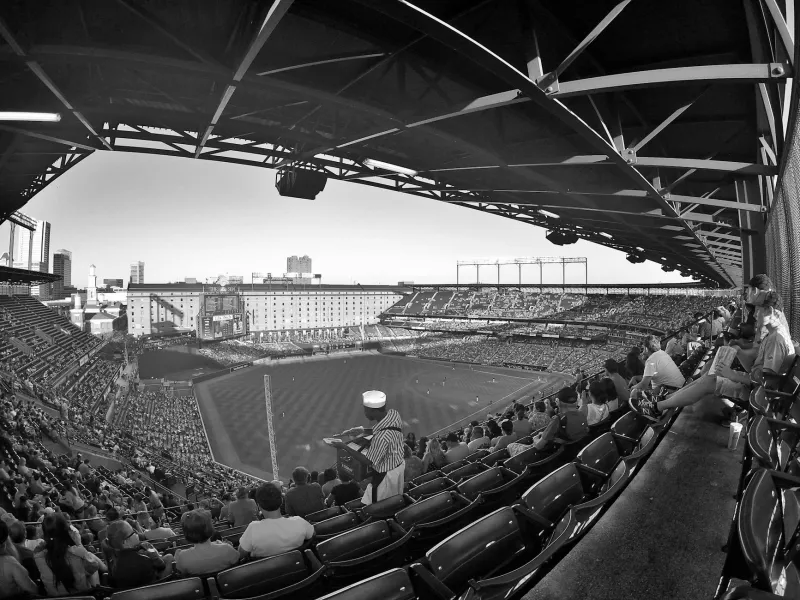
When Presidents Needed to Stretch
April 14, 1910: President William Howard Taft sat wedged into a wooden box seat at Griffith Stadium in Washington D.C., watching the Senators play the Philadelphia Athletics. At 300 pounds, Taft was not built for early baseball seating.
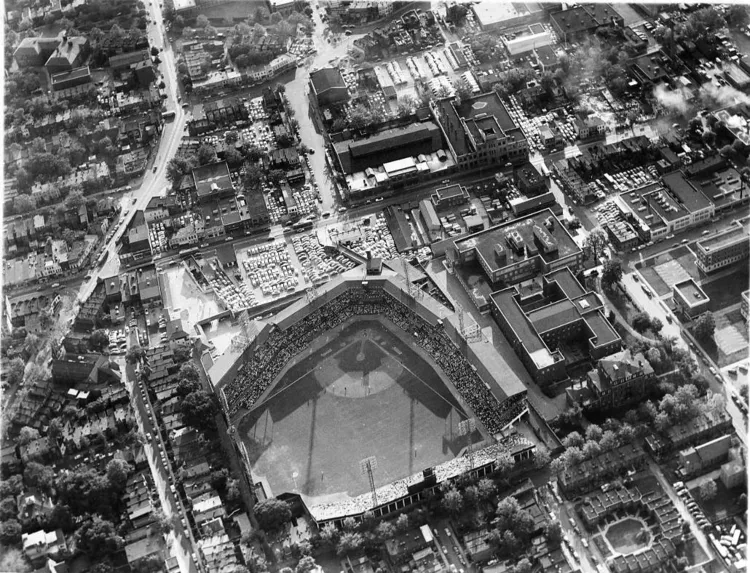 Photo: Griffith Stadium, via alchetron.com
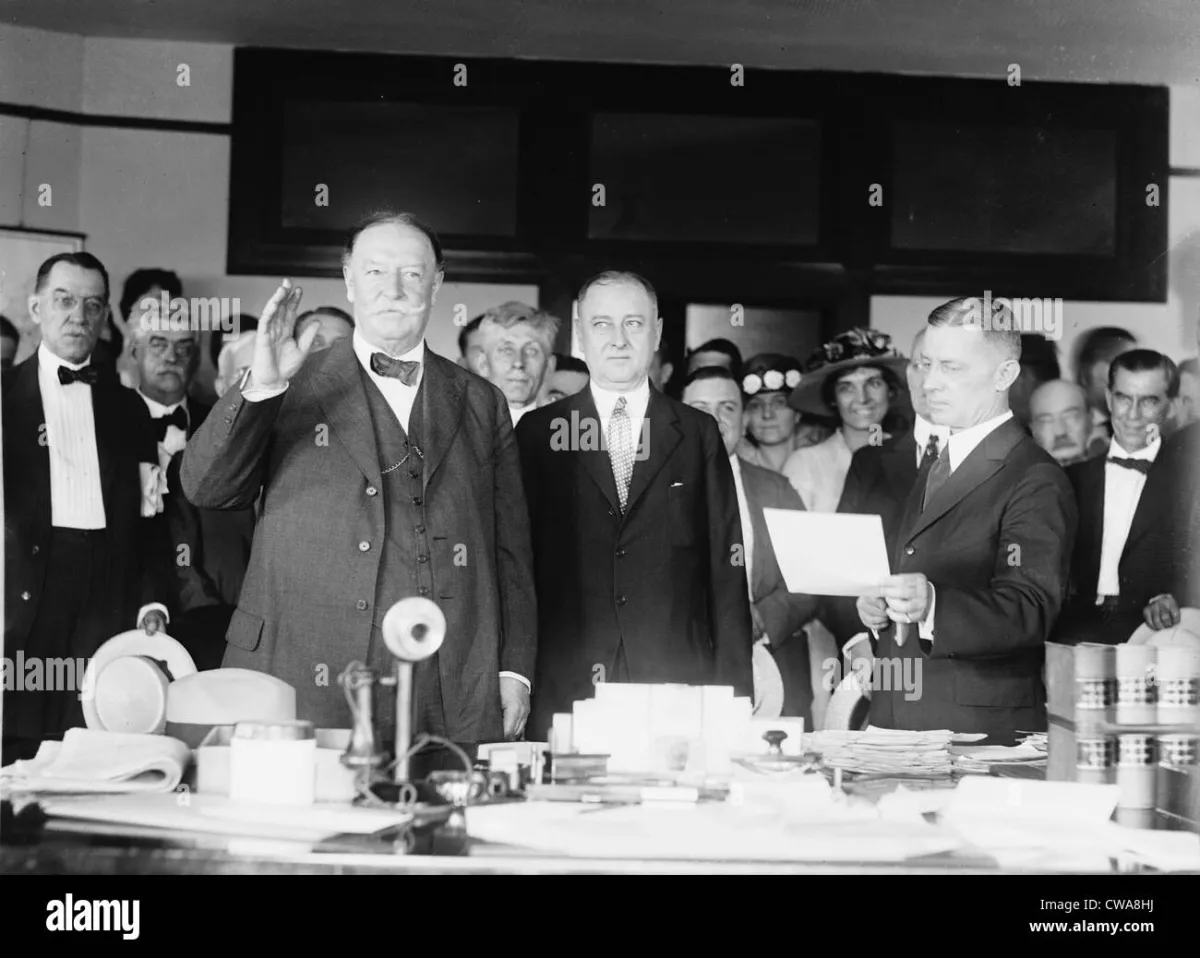 Photo: William Howard Taft, via c8.alamy.com
By the seventh inning, America's largest president was visibly uncomfortable. His legs had gone numb. His back ached. The wooden chair creaked ominously under his weight.
So Taft did what anyone would do: He stood up to stretch.
What happened next created baseball's most beloved tradition, though nobody at the stadium realized they were making history.
The Crowd That Couldn't Sit Down
When President Taft rose from his seat, every person in Griffith Stadium stood up too. This wasn't planned—it was pure reflex. In 1910, you didn't remain seated when the President of the United States was standing.
Taft stretched his arms, rolled his shoulders, and took a deep breath. The crowd waited respectfully, enjoying their own impromptu break from the cramped wooden benches.
After a few minutes, Taft sat back down. The crowd followed suit. The game resumed. Everyone felt better.
But something had shifted in baseball's rhythm. For the first time, an entire stadium had taken a collective break in the middle of a game, and it felt natural.
The Tradition Nobody Planned
Word about the presidential stretch spread through baseball's informal networks. Other teams began incorporating similar breaks, though nobody called it the "seventh-inning stretch" yet.
The timing made sense. Seven innings was long enough for fans to get restless but not so long that the game felt endless. It provided a natural pause before the final push toward the ninth inning.
Ballparks started encouraging the practice. Organists played music during the break. Vendors used the time to make final sales rounds. What began as presidential politeness became stadium strategy.
The Competing Origin Stories
Of course, baseball being baseball, other stories emerged to claim credit for the seventh-inning stretch.
One popular tale credits Harry Wright, manager of the 1869 Cincinnati Red Stockings, with calling timeout in the seventh inning so fans could stand and stretch. But no contemporary records support this story.
Another legend involves Brother Jasper of Manhattan College, who supposedly told his students to stand during the seventh inning of games in the 1880s. This story also lacks documentation from the era.
The Taft story has the advantage of being witnessed by thousands of people and reported in multiple newspapers the next day.
How "Take Me Out to the Ball Game" Changed Everything
The seventh-inning stretch might have remained a minor baseball custom if not for a song written two years before Taft's famous stretch. "Take Me Out to the Ball Game," composed in 1908, perfectly captured the communal spirit of baseball attendance.
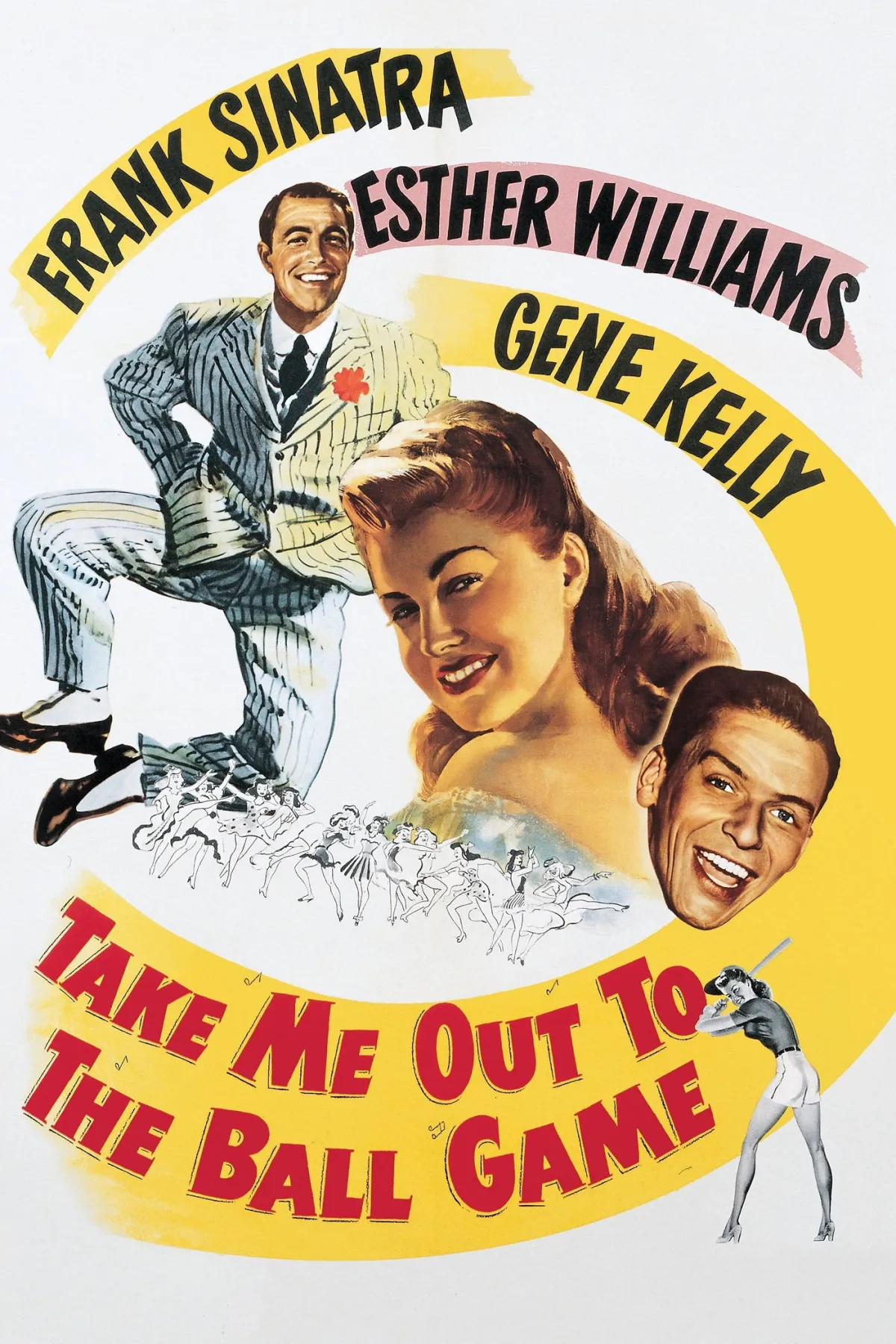 Photo: Take Me Out to the Ball Game, via image.tmdb.org
When stadiums began playing the song during seventh-inning breaks in the 1970s, the stretch transformed from a simple pause into a participatory celebration. Fans weren't just standing—they were singing together.
The combination of standing, stretching, and singing created a uniquely American ritual that no other sport has successfully replicated.
The Science Behind the Timing
Modern sports science suggests the seventh-inning stretch hits the perfect psychological moment. After sitting for roughly 90 minutes, human attention naturally begins to wane. A brief physical break resets focus for the game's climactic final innings.
The stretch also provides emotional release. Baseball games can be tense, especially close ones. Standing and singing together gives fans a chance to exhale collective anxiety before the final stretch.
Sports psychologists note that shared physical activities—like standing and singing—create stronger bonds between strangers than passive shared experiences like just watching together.
Beyond Baseball: A Ritual That Spread
The seventh-inning stretch concept influenced other sports, though none adopted it as universally. Basketball introduced halftime entertainment. Football developed elaborate halftime shows. Hockey created intermission activities.
But only baseball's stretch maintained the spontaneous, participatory spirit of Taft's original moment. Other sports' breaks became performances to watch rather than activities to join.
The stretch also influenced American workplace culture. "Stretch breaks" became standard in offices, factories, and schools, all tracing back to baseball's discovery that brief physical breaks improve focus and morale.
The Modern Stretch
Today's seventh-inning stretch would probably bewilder President Taft. What began as a simple stand-and-stretch has evolved into elaborate productions featuring celebrity singers, choreographed dance moves, and promotional giveaways.
Yet the core remains unchanged: In the seventh inning, everyone stands up together. Rich and poor, young and old, home fans and visitors—for three minutes, the entire stadium becomes a community.
Some traditions feel artificial when you learn their origins. The seventh-inning stretch feels more authentic. A large man needed to stretch his legs, so an entire stadium stood up with him out of politeness. That moment of collective courtesy became a century-long tradition.
The Stretch That Outlasted Presidents
William Howard Taft served one term as president and died in 1930. Griffith Stadium was demolished in 1965. The Washington Senators moved to Texas in 1971.
But every baseball game still pauses in the seventh inning for fans to stand, stretch, and sing together. Taft's moment of physical discomfort became baseball's most enduring gift to American culture.
Next time you stand for the seventh-inning stretch, remember you're participating in a tradition that began with presidential politeness and evolved into something uniquely American: a moment when strangers become a community, if only for the length of a song.