The Prank That Became the Most Watched Moment in Sports
The Practice That Almost Got Players Suspended
Jim Burt was getting tired of losing. It was November 1984, and the New York Giants defensive tackle had watched his team struggle through another disappointing season. During a particularly brutal practice, head coach Bill Parcells was screaming at everyone within earshot when Burt decided the situation called for some levity.
 Photo: Bill Parcells, via a.allegroimg.com
He grabbed the nearest Gatorade cooler, snuck up behind Parcells, and dumped the entire contents over his coach's head.
Parcells was furious. Players were stunned. And absolutely nobody predicted that this moment of locker room rebellion would become the most replicated celebration in professional sports.
When Coaches Fought Back
The first Gatorade dump wasn't a celebration — it was straight-up hazing. Burt and his defensive line teammates had been dousing Parcells with ice-cold sports drink whenever they felt he was being too hard on them during practice. It was their way of saying "lighten up, coach" without actually having to say it out loud.
Parcells hated it. He threatened to bench players who participated. He tried having assistant coaches guard the Gatorade coolers during practice. He even considered banning sports drinks from the sideline entirely.
But the Giants defense kept finding ways to drench their coach. Harry Carson, the team's All-Pro linebacker, became the unofficial leader of what they called "the Gatorade Gang." Every time the Giants won a game, Carson and his teammates would hunt down Parcells for their post-game shower ritual.
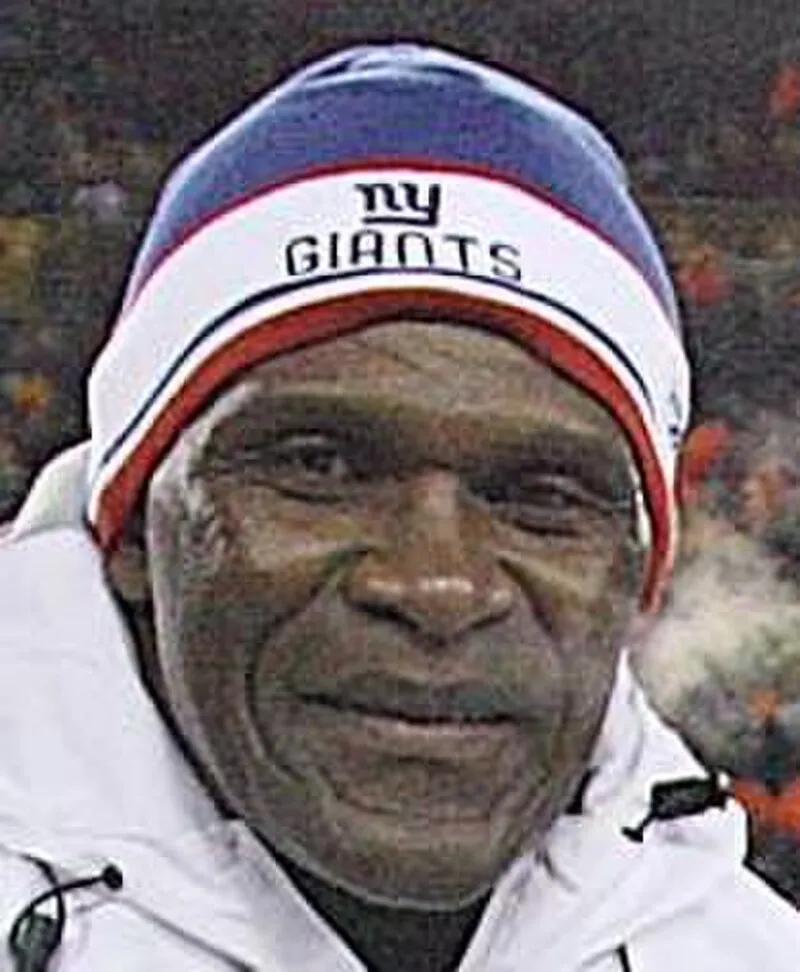 Photo of Harry Carson, via Wikidata/Wikimedia Commons
The rest of the NFL thought the Giants had lost their minds. Veteran coaches whispered that Parcells had lost control of his locker room. Sports columnists wrote about the breakdown of respect between players and coaches. Nobody understood why grown men were wasting perfectly good sports drinks on elaborate practical jokes.
The Broadcast That Changed Everything
January 26, 1987. Super Bowl XXI. The New York Giants were destroying the Denver Broncos 39-20 with minutes remaining in the fourth quarter. In living rooms across America, 87 million viewers were watching the Giants celebrate their first championship in 30 years.
 Photo: Super Bowl XXI, via www.cancercouncil.com.au
That's when Harry Carson appeared on television screens carrying a cooler full of Gatorade.
The CBS cameras followed Carson as he stalked Bill Parcells along the sideline. The announcers started explaining the Giants' "unusual tradition" to a confused national audience. Parcells, realizing he was about to get drenched on live television, tried to run away from his own players.
He didn't make it.
Carson's dump was perfectly timed, completely soaking Parcells just as the final seconds ticked off the clock. The image of a championship coach dripping with orange Gatorade became the defining visual of Super Bowl XXI.
America had never seen anything like it.
The Tradition Nobody Planned
Within weeks of the Giants' Super Bowl victory, high school football teams across the country were dousing their coaches with whatever sports drinks they could find. College programs started incorporating Gatorade showers into their championship celebrations. Professional teams in other sports began copying the ritual.
But nobody was more surprised by this development than the Quaker Oats Company, which owned Gatorade at the time.
Gatorade had spent decades marketing their product as a performance enhancer for serious athletes. Their advertising focused on hydration, electrolyte replacement, and competitive advantage. The idea that their sports drink would become famous for being poured on people instead of consumed by them was never part of any marketing strategy.
Yet suddenly, Gatorade was getting millions of dollars worth of free advertising every time a coach got drenched on national television. The company's sales team watched in amazement as their product became synonymous with championship celebrations across multiple sports.
The Prank That Became a Science
By the 1990s, the Gatorade shower had evolved from spontaneous prank to carefully choreographed television moment. Teams started planning their dumps in advance, making sure cameras would capture the perfect angle. Equipment managers began preparing special coolers filled with the optimal temperature of sports drink for maximum visual impact.
Gatorade eventually embraced the tradition they never created. The company started tracking "Gatorade showers" as an official statistic, noting which coaches had been dunked the most times and which flavors created the best visual contrast against team uniforms.
Television producers began treating the Gatorade dump as an essential element of championship broadcasts. Camera operators received specific instructions to follow potential dumpers during the final minutes of important games. Announcers started building suspense around who would deliver the shower and when it would happen.
The Marketing Miracle Nobody Planned
Today, the Gatorade shower is so embedded in American sports culture that it's impossible to imagine championship celebrations without it. The tradition has spread to youth sports, international competitions, and even non-athletic contexts where victory needs to be celebrated with dramatic flair.
Gatorade now spends millions of dollars annually creating advertising campaigns around a tradition that started as players hazing their coach. The company has turned Jim Burt's locker room prank into one of the most successful viral marketing phenomena in sports history.
But the real genius of the Gatorade shower isn't the marketing — it's how it democratized championship celebrations. Before 1987, only players got to hold trophies and make speeches. The Gatorade dump gave everyone else — coaches, equipment managers, even water boys — a moment to be part of the victory.
From Rebellion to Ritual
The transformation of the Gatorade shower from banned practice to beloved tradition represents something uniquely American: our ability to turn workplace rebellion into corporate marketing gold. What started as players challenging authority became the ultimate symbol of team unity and shared success.
Jim Burt probably had no idea that his frustration with a tough practice would create a ritual watched by hundreds of millions of people every year. He was just a defensive tackle who thought his coach needed to cool off.
Instead, he accidentally created the most anticipated moment of every championship celebration in American sports — proof that sometimes the best traditions aren't planned by marketing departments or league officials, but by players who just want to have a little fun with their coaches.