When Nobody Knew Where to Stop
In 1876, the first official Boston Marathon ended in complete chaos. After running 26.2 miles through the Massachusetts countryside, the leading runners approached downtown Boston with no clear idea where the race actually finished. Some stopped at a tree that officials had mentioned, others kept running until someone told them to stop, and a few confused souls jogged past the intended finish line and had to be called back.
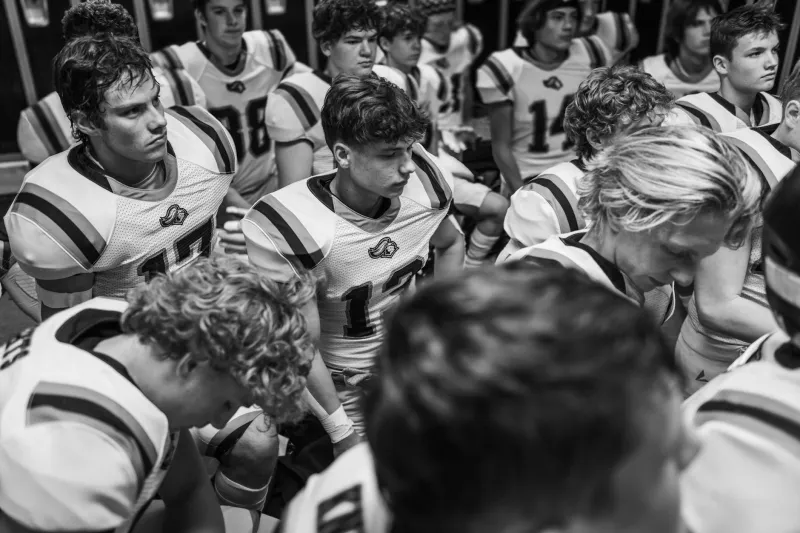
 Photo: Boston Marathon, via wpcdn.us-east-1.vip.tn-cloud.net
The winner was eventually declared, but only after 20 minutes of argument and confusion. This wasn't unusual for American racing in the 1870s—it was Tuesday. The simple concept of a clearly marked finish line, something so basic that children understand it instinctively, had somehow eluded competitive athletics for over 2,000 years.
The Romans Started the Problem
Competitive racing began in ancient Rome, where chariot drivers thundered around massive oval tracks called circuses. The Circus Maximus could hold 250,000 spectators, making it larger than any modern stadium, but the Romans never figured out how to definitively mark where races ended.
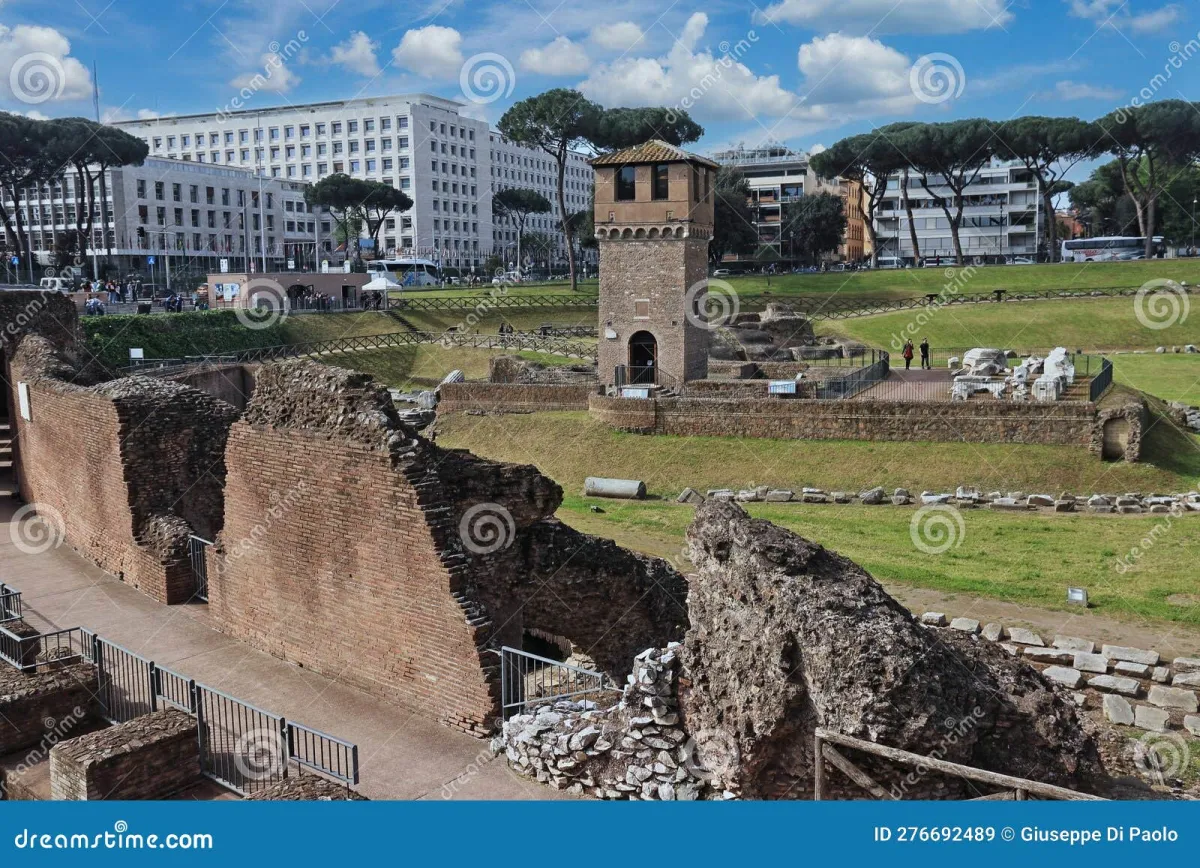 Photo: Circus Maximus, via thumbs.dreamstime.com
Instead, they used a complex system of turning posts and lap counters. Races ended after a predetermined number of laps, but the exact finish point was often unclear. Officials stood near the general area where they thought races should end, but the final decision was usually made by whoever was closest to the action when the lead chariot completed its final lap.
This system worked well enough for circular tracks where races ended roughly where they began, but it created a problem that would plague competitive athletics for centuries: how do you mark the end of a race that doesn't go in circles?
England's Expensive Solution
When horse racing became popular in medieval England, the finish line problem got worse. Races were run across open countryside, often from one village to another, with no fixed track or predetermined endpoint. The finish was wherever the local lord or race organizer happened to be standing when the horses arrived.
Weathy English aristocrats tried to solve this by hiring multiple officials and posting them at various points near the intended finish. But this just created more arguments, as different officials often declared different winners based on their individual perspectives.
By the 1700s, English horse racing had evolved a more sophisticated system: a wooden post or pole was erected at the finish line, and races ended when the first horse's nose crossed an imaginary plane extending from that post. This worked better than previous methods, but it still required officials to make judgment calls about exactly when and where that crossing occurred.
America Inherits the Chaos
When competitive athletics arrived in America, they brought the finish line problem with them. Early foot races, horse races, and even boat races ended in confusion and dispute. The 1860s saw dozens of high-profile racing controversies, with newspapers regularly reporting on "finish line disputes" that sometimes led to fistfights and lawsuits.
American race organizers tried various solutions: flags, ropes, wooden barriers, and even lines of officials standing arm-in-arm. Nothing worked consistently. The fundamental problem wasn't the marking system—it was that nobody had figured out how to create a finish line that was simultaneously visible to competitors, obvious to spectators, and definitive enough to prevent arguments.
The breakthrough came from an unexpected source: the same industrial innovation that was transforming American manufacturing.
The Paint Company's Accident
In 1884, the Sherwin-Williams Company was experimenting with new paint formulations for marking railroad tracks and factory floors. They needed a paint that would be visible, durable, and easy to apply in straight lines. Their chemists developed a bright white paint that dried quickly and adhered well to various surfaces.
A Sherwin-Williams sales representative named Thomas Edison (not the inventor) was demonstrating this paint to potential customers when he attended a track and field meet in Cleveland. Watching yet another disputed finish, Edison had an idea: what if they painted a line across the track?
The suggestion was met with skepticism. Paint was expensive, and nobody was sure it would work. But the meet organizers were desperate enough to try anything, so Edison painted a white line across the track's finish area.
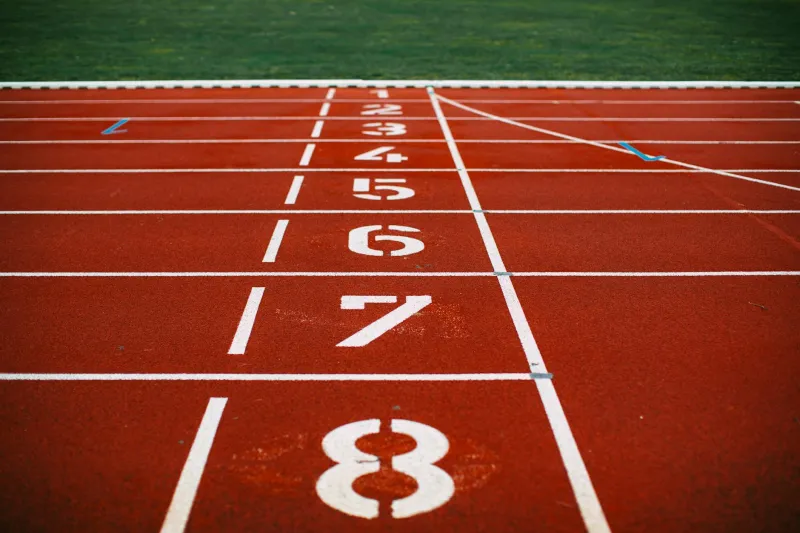
The difference was immediate and dramatic. Runners could see exactly where to aim, spectators could follow the action more easily, and officials had an undisputable reference point for declaring winners. The painted finish line worked so well that other tracks started copying it within months.
The Line That Conquered America
By 1890, painted finish lines had become standard at major American racing venues. The innovation spread to horse racing, bicycle racing, and eventually to new sports like automobile racing. What had started as a paint company's demonstration became one of the most universal symbols in competitive athletics.
The painted line solved problems that had plagued racing for millennia. It was visible from a distance, impossible to argue with, and cheap enough for any organization to afford. More importantly, it democratized racing by making results clear to everyone, not just officials and wealthy spectators with good seats.
From Chaos to Precision
The simple white line transformed competitive racing in ways nobody anticipated. Runners started training specifically to hit the line at top speed, rather than gradually slowing as they approached an uncertain finish area. Spectators could follow races more easily, increasing attendance and enthusiasm. Photo finishes became possible because there was finally a fixed reference point for cameras.
The psychological impact was just as important. Athletes who had spent careers wondering exactly where races ended could finally focus entirely on getting there first. The uncertainty that had defined competitive racing for 2,000 years disappeared overnight.
The Modern Legacy
Today's finish lines use laser timing systems, electronic sensors, and high-speed cameras, but they're all built around that same basic concept: a clearly marked line that defines exactly where competition ends. From elementary school field days to Olympic championships, every race in America ends the same way—with someone crossing a line that took two millennia to figure out.
The technology has evolved dramatically, but the fundamental innovation remains unchanged. A paint company's sales demonstration in 1884 Cleveland solved a problem that had stumped the Romans, confused the English, and frustrated early Americans for decades.
The Line That Started Everything
The next time you watch a race end, remember that the simple white line under the runners' feet represents one of the longest problem-solving efforts in human history. What seems obvious now—marking exactly where competition ends—took 2,000 years of chaos, confusion, and countless disputed victories to figure out.
Sometimes the most important innovations are the ones that make us wonder why nobody thought of them sooner. The finish line is so fundamental to competitive athletics that it's hard to imagine racing without it, but for most of human history, that's exactly how it was: runners racing toward uncertainty, with victory determined by whoever happened to be watching when they arrived.