The Game That Started Everything
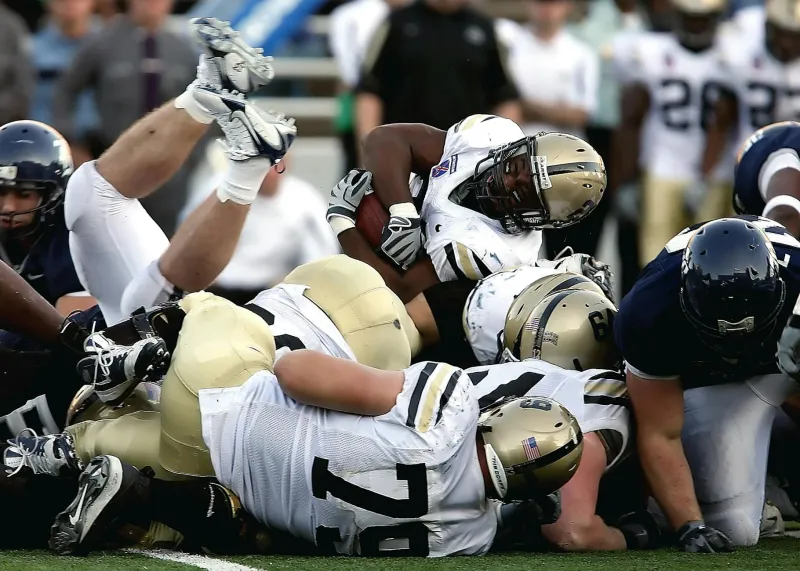
On November 6, 1869, a small crowd gathered in a muddy field in New Brunswick, New Jersey, to watch Rutgers play Princeton in what would become the first intercollegiate football game in American history. But the real story wasn't happening on the field—it was in the surrounding area, where visiting Princeton fans had set up an impromptu outdoor feast that would accidentally birth one of America's most beloved traditions.
They called it nothing special at the time. Just people eating food they'd brought from home, standing around their carriages, killing time before the game started. Nobody realized they were creating tailgating.
When There Was Nowhere Else to Go
The Princeton fans faced a practical problem that November afternoon. They had traveled 20 miles by train and carriage to reach Rutgers' campus, but New Brunswick in 1869 offered virtually no dining options for visitors. The few local taverns couldn't accommodate the unexpected crowd of football spectators.
So the Princeton supporters did what made sense: they packed food for the journey and ate it before the game. Families brought picnic baskets, students shared bread and cheese, and someone had the foresight to pack a small barrel of cider. They gathered around their horse-drawn carriages—the "tailgates" of their era—and made the best of the situation.
The improvised meal became more enjoyable than anyone expected. Strangers shared food, students led cheers between bites, and the pre-game gathering created a festive atmosphere that enhanced the entire football experience. What started as necessity became community.
The Ritual That Refused to Die
As college football spread beyond that first Rutgers-Princeton matchup, the tradition of pre-game eating traveled with it. Early football games were often held in remote locations with limited amenities, so fans continued bringing their own food and gathering before kickoff.
The practice evolved with transportation technology. When automobiles replaced horse-drawn carriages in the early 1900s, fans adapted by spreading blankets on car hoods and opening actual tailgates to serve food. The term "tailgating" emerged naturally from this practical use of vehicle rear ends as impromptu dining tables.
By the 1920s, tailgating had developed its own informal rules and customs. Fans competed to bring the most elaborate spreads, schools organized official pre-game gatherings, and local newspapers began covering notable tailgate parties alongside game coverage.
From Sandwiches to Spectacle
The post-World War II boom transformed tailgating from simple picnicking into elaborate outdoor entertainment. Prosperity allowed fans to invest in specialized equipment—portable grills, folding tables, coolers, and eventually RVs designed specifically for tailgate parties.
The 1960s marked tailgating's evolution into serious business. Manufacturers began producing tailgate-specific products: compact grills that fit in car trunks, folding chairs with team logos, and coolers sized for parking space limitations. What had been improvised necessity became a retail category.
Television coverage in the 1970s and 80s elevated tailgating from parking lot activity to national spectacle. Broadcasters discovered that pre-game tailgate scenes provided colorful footage that captured college football's unique atmosphere. Suddenly, elaborate tailgate setups became part of the show.
The Billion-Dollar Parking Lot Economy
Modern tailgating bears little resemblance to those Princeton fans eating bread and cheese beside their carriages. Today's tailgate parties feature catered meals, professional-grade cooking equipment, satellite televisions, and climate-controlled tents. Some fans spend more on tailgating gear than season tickets.
The numbers are staggering: Americans spend over $10 billion annually on tailgating-related products and services. Entire industries exist to serve tailgate culture—specialized food vendors, equipment rental companies, and even professional tailgating consultants who plan elaborate pre-game parties.
RVs designed specifically for tailgating can cost more than houses. Some college parking lots charge premium prices for prime tailgating spots, creating secondary markets where fans trade parking passes like stock options. Universities have built their marketing strategies around tailgating culture, recognizing that the parking lot party often matters more to fans than the game itself.
The Ritual That Ate Football
Tailgating has become so central to American football culture that many fans attend games primarily for the pre-game festivities. Surveys consistently show that significant percentages of "football fans" spend more time tailgating than watching actual games. Some never enter the stadium at all.
The tradition has spawned its own competitions, cookbooks, television shows, and professional circuits. The American Tailgaters Association sanctions official tailgating contests with cash prizes and corporate sponsorships. Food Network built programming around tailgate cooking. What began as eating lunch beside a carriage became a sport unto itself.
The Accidental Empire
None of this was planned or predicted. Those Princeton fans in 1869 weren't trying to create a cultural phenomenon—they were just hungry people making the best of a situation with limited dining options. Their practical solution to a logistical problem accidentally tapped into something fundamental about American social culture.
Tailgating succeeded because it combined several American obsessions: food, sports, automobiles, and outdoor gatherings. It democratized the game-day experience, allowing ordinary fans to create their own entertainment rather than depending entirely on official stadium offerings.
The tradition also reflected American mobility and adaptability. As fans became more willing to travel for games, tailgating provided a way to bring home comforts to unfamiliar locations. The parking lot became a temporary community where strangers bonded over shared team loyalties and grilled meat.
From Necessity to National Identity
Today, tailgating is so embedded in American football culture that games without tailgate opportunities feel incomplete. Professional stadiums design parking areas specifically to accommodate tailgating, recognizing that the tradition drives attendance and fan loyalty.
The practice has spread beyond football to other sports, concerts, and even non-sporting events. Americans now tailgate at NASCAR races, music festivals, and outdoor weddings. The concept has become a portable party format that can be applied to virtually any gathering.
But it all traces back to that muddy field in New Jersey, where a few dozen Princeton fans solved a simple problem by eating food they'd brought from home. They had no idea their practical lunch would evolve into one of America's most distinctive cultural traditions. Sometimes the biggest celebrations start with the smallest solutions.