One Chef's Bad Day Created America's Most Unstoppable Snack
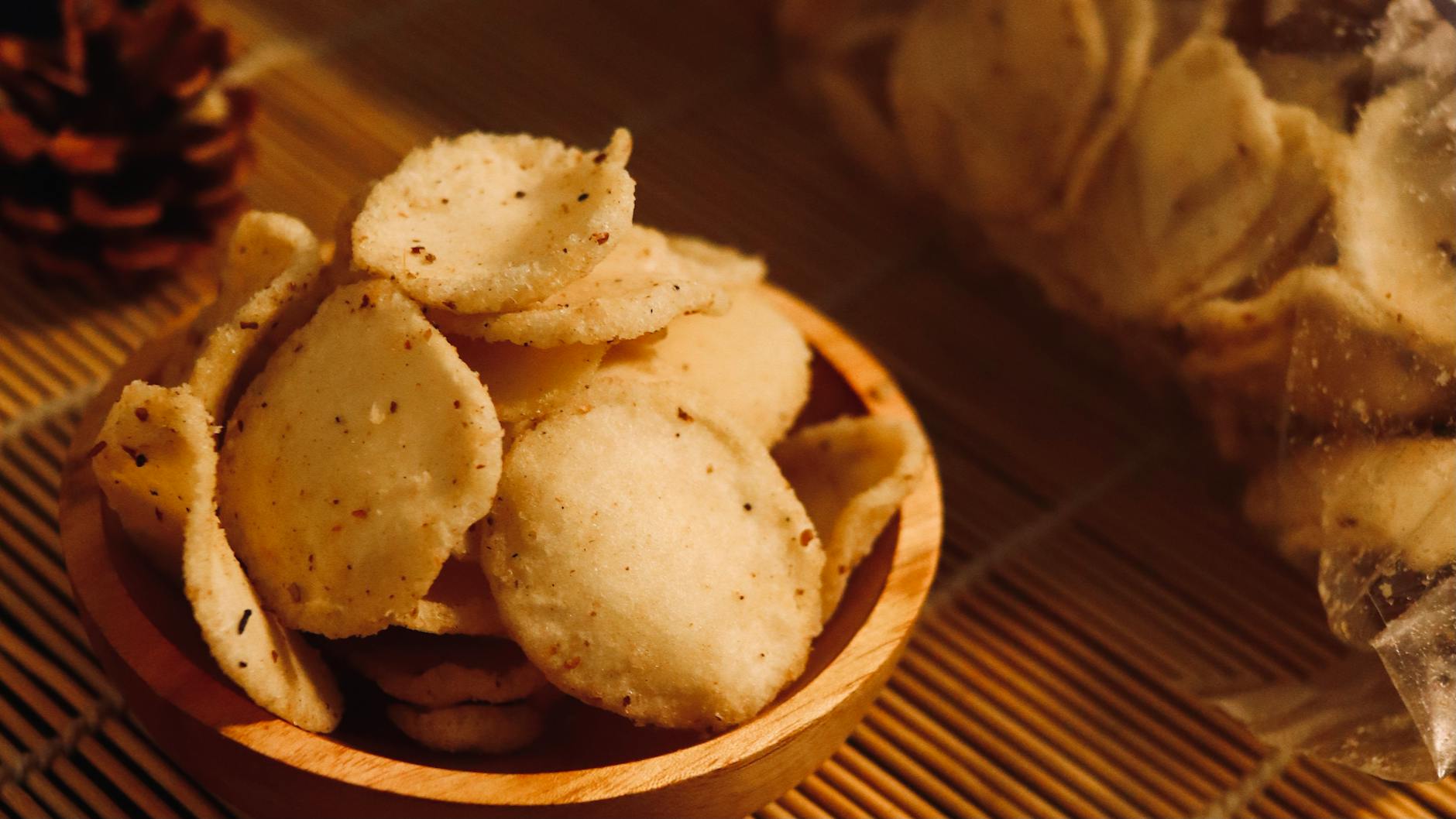
One Chef's Bad Day Created America's Most Unstoppable Snack
Picture a busy restaurant kitchen in the summer of 1853. A customer keeps sending back his fried potatoes. Too thick, he says. Too soggy. The cook, a man named George Crum, is losing his patience fast.
What happened next wasn't genius. It wasn't even intentional. It was irritation — pure, unfiltered, end-of-a-long-shift irritation. And somehow, it changed American snacking forever.
The Night It All Started
George Crum was working as a chef at Moon's Lake House in Saratoga Springs, New York, a popular resort destination where wealthy vacationers came to eat, relax, and, apparently, complain about their food. The difficult diner in question — some accounts name him as railroad magnate Cornelius Vanderbilt, though historians debate this — kept rejecting Crum's fried potato slices, insisting they weren't thin enough.
Crum, fed up, decided to make a point. He sliced a batch of potatoes so thin they were nearly translucent, fried them until they were brittle and golden, and sent them out expecting the customer to hate them.
The customer loved them.
So did everyone else at the table. So did everyone else in the restaurant. Crum had stumbled onto something completely by accident, and within weeks, "Saratoga Chips" were a fixture on the Moon's Lake House menu.
From Restaurant Novelty to Kitchen Staple
For the first few decades of their existence, potato chips were a luxury item — the kind of thing you encountered at upscale dining rooms, not in your pantry at home. They were made fresh, usually served in small portions, and had no real shelf life to speak of. Packaging wasn't a consideration because keeping them crispy for more than a day or two was essentially impossible.
That changed in the early 20th century, largely thanks to a woman named Laura Scudder. Working in California in the 1920s, Scudder began packaging chips in wax paper bags that were ironed shut, creating a seal that kept them fresher for longer. It sounds simple now, but it was genuinely revolutionary. Suddenly, chips could travel. They could sit on a store shelf. They could be mass-produced and shipped across the country.
The snack that started as a restaurant gimmick in upstate New York was about to go national.
The Machine That Made Chips Everywhere
The next major leap came courtesy of Herman Lay, a salesman-turned-entrepreneur who built what would eventually become Frito-Lay, one of the most recognizable names in American snack food. Lay helped mechanize chip production in the 1930s and '40s, turning what had been a largely handmade process into something that could produce chips at industrial scale.
By mid-century, the potato chip had officially crossed over from novelty to necessity. Americans were buying them by the bagful. Grocery stores dedicated entire aisles to them. The flavored chip era kicked off in the 1950s when an Irish entrepreneur named Joe Murphy introduced cheese-and-onion flavored crisps in Ireland — a concept that made its way to the U.S. and exploded into the flavor arms race that still fills store shelves today. Barbecue, sour cream and onion, salt and vinegar, cheddar — the variations became almost endless.
Chips and the American Ritual
It's hard to overstate how deeply embedded the potato chip has become in American culture. Super Bowl Sunday alone accounts for hundreds of millions of dollars in chip sales every single year — it's consistently one of the biggest snack-buying days on the American calendar. Tailgate spreads, road trip gas station stops, backyard cookouts, late-night couch sessions — chips show up everywhere, in every context, at every income level.
The snack food industry in the United States is now worth well over $40 billion annually, and potato chips sit comfortably at the center of it.
None of that traces back to a marketing campaign or a product development team. It traces back to one annoyed cook who wanted to make a point to a picky customer on a summer evening in 1853.
Why This Story Sticks
There's something genuinely satisfying about the origin of the potato chip. It doesn't involve a lab or a patent office or a venture capital pitch. It involves a person having a bad day and reacting in the most human way possible — with a little bit of stubborn, petty creativity.
George Crum never patented his invention. He didn't build a company around it or profit from the industry it eventually created. He opened his own restaurant later in life, where chips were reportedly always on the table, but the billions that followed his moment of frustration went to other people.
Still, the next time you reach into a bag of chips without thinking twice about it — during the game, on a road trip, at two in the morning standing in front of the pantry — you're completing a chain that started with one chef's bad mood and a potato sliced thinner than anyone thought possible.
Every bag has a beginning. This one started with spite.