A Chef Got Mad, Sliced Potatoes Paper-Thin, and Accidentally Invented America's Favorite Snack
A Chef Got Mad, Sliced Potatoes Paper-Thin, and Accidentally Invented America's Favorite Snack
Americans eat roughly 1.85 billion pounds of potato chips every single year. They line the shelves of every gas station, grocery store, and vending machine in the country. They show up at cookouts, movie nights, and lunch boxes without anyone thinking twice. The potato chip is so deeply embedded in American snacking culture that it barely registers as a choice anymore — it's just there.
But here's the thing almost nobody knows: the potato chip exists because a chef lost his temper.
The Complaint That Started Everything
The year was 1853. The place was Moon's Lake House, a popular resort restaurant in Saratoga Springs, New York — a fashionable destination for wealthy vacationers looking to take in the mineral springs and enjoy a good meal. The chef was George Crum, a mixed-race cook of Native American and African American descent who had built a reputation for his skill in the kitchen.
One evening, a diner — some accounts point to railroad tycoon Cornelius Vanderbilt, though historians debate this — sent back an order of fried potatoes. The complaint? They were too thick and too soggy. Crum sent out a second plate. The customer sent it back again. Still too thick.
At this point, most chefs would have gritted their teeth and moved on. Crum did not.
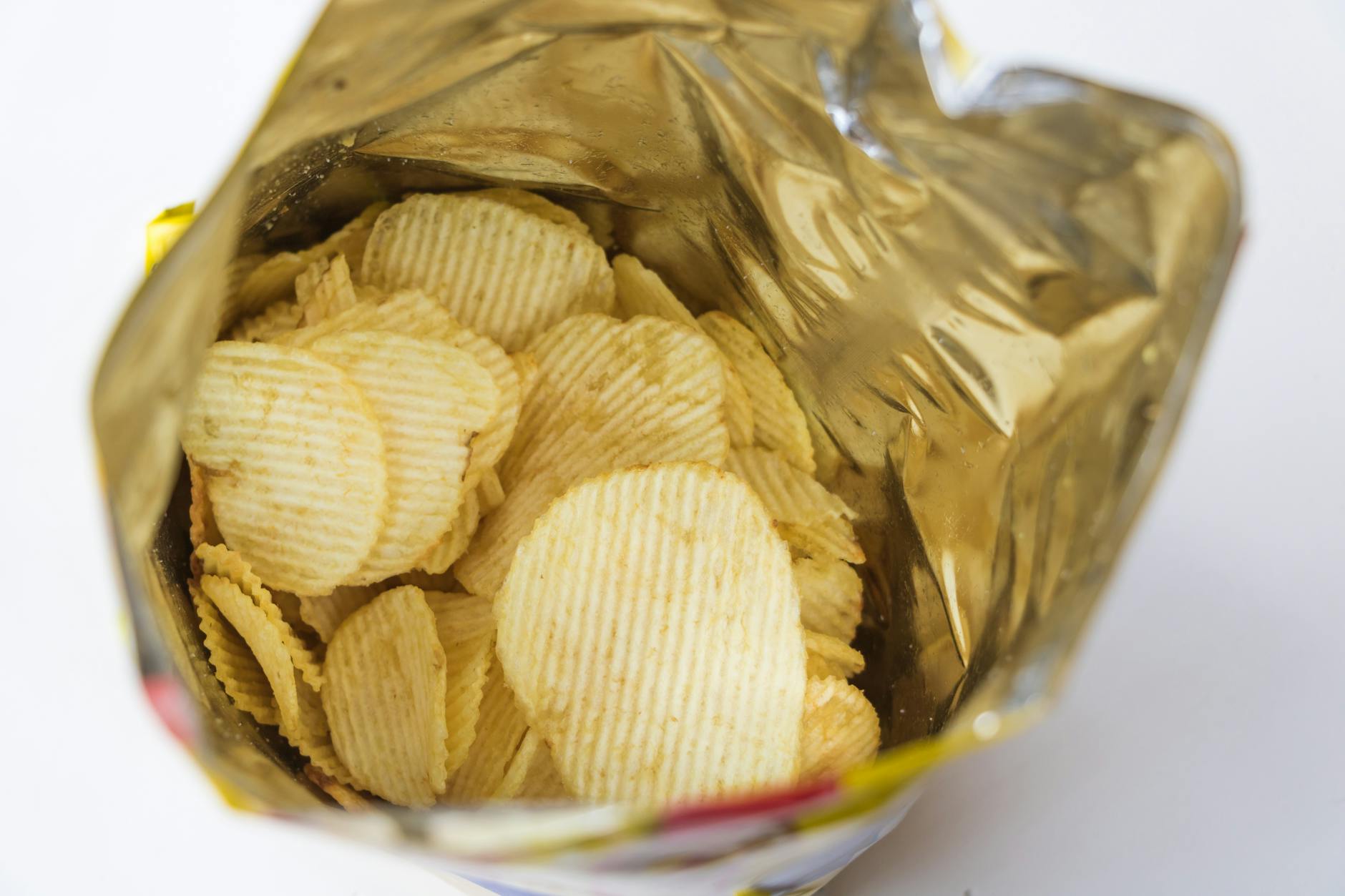
Instead, he sliced a fresh batch of potatoes so impossibly thin they were nearly translucent, fried them until they were rigid and brittle, and buried them in salt. The idea wasn't to satisfy the customer. The idea was to make something so ridiculous and impossible to eat with a fork that the complaint would be turned back on the complainer.
The plan backfired spectacularly. The customer loved them.
From Kitchen Joke to Regional Sensation
Word spread fast. Other diners started requesting Crum's thin-fried potatoes, which became known around the area as "Saratoga Chips." They were a novelty at first — a crispy, salty curiosity that set Moon's Lake House apart from other restaurants in the region.
Crum eventually opened his own restaurant in 1860, and Saratoga Chips were the signature item. He reportedly served them in paper cones at every table before meals, the way a modern restaurant might bring out bread. He never patented the idea, which in hindsight was a decision that cost him an almost unimaginable fortune.
For the next few decades, chips remained largely a restaurant item — made fresh, served immediately, and impossible to take home because they went stale almost instantly. They were regional and seasonal, a treat you had when you were somewhere special.
The Bag That Changed Everything
The leap from restaurant novelty to mass-market snack happened in the early 20th century, and it came down to one practical problem: packaging.
For years, potato chips were sold from large barrels or glass cases at general stores and markets. You scooped out what you wanted, wrapped it in paper, and hoped for the best. Freshness was a constant issue. The chips at the bottom of the barrel were often stale before anyone got to them.
In the 1920s, a salesman named Herman Lay began distributing chips across the South from the trunk of his car, building what would eventually become the Frito-Lay company. Around the same time, Laura Scudder — a California entrepreneur — had her employees iron together wax paper bags to seal chips inside, creating the first true airtight chip bag. Suddenly, potato chips could travel. They could sit on a shelf. They could be taken home.
The snack industry as we know it was born.
By the mid-20th century, chips were a national staple. Flavored varieties arrived in the 1950s — barbecue, sour cream and onion, cheddar — and the category exploded. Today, the U.S. potato chip market alone is worth over $10 billion annually.
The Accidental Blueprint
What makes the origin of the potato chip so satisfying is how completely unintentional it was. There was no market research, no product development meeting, no focus group. There was just a cook who was annoyed and a customer who was oblivious, and the collision of those two things produced something that has outlasted both of them by more than 170 years.
George Crum never saw a dime from the industry his moment of frustration created. He died in 1914, decades before chips became the commercial juggernaut they are today. His name appears in almost no snack food marketing, no brand origin stories, no hall of fame.
But every time someone tears open a bag without thinking about it — at the game, at the desk, in the car — they're reaching back to a hot kitchen in upstate New York where a chef decided that if a customer wanted something ridiculous, he was going to deliver.
Some of the best things in the world started as accidents. This one started as an argument.
And honestly? That tracks.