The Coach Who Wouldn't Back Down
In 1986, Dallas Cowboys coach Tom Landry stood on the sideline watching his team's season slip away on a single blown call. The referee had missed an obvious fumble, and like thousands of coaches before him, Landry could only stand there and take it. But unlike those other coaches, Landry had spent years in the military and knew something most people didn't: the technology to prove him right already existed.
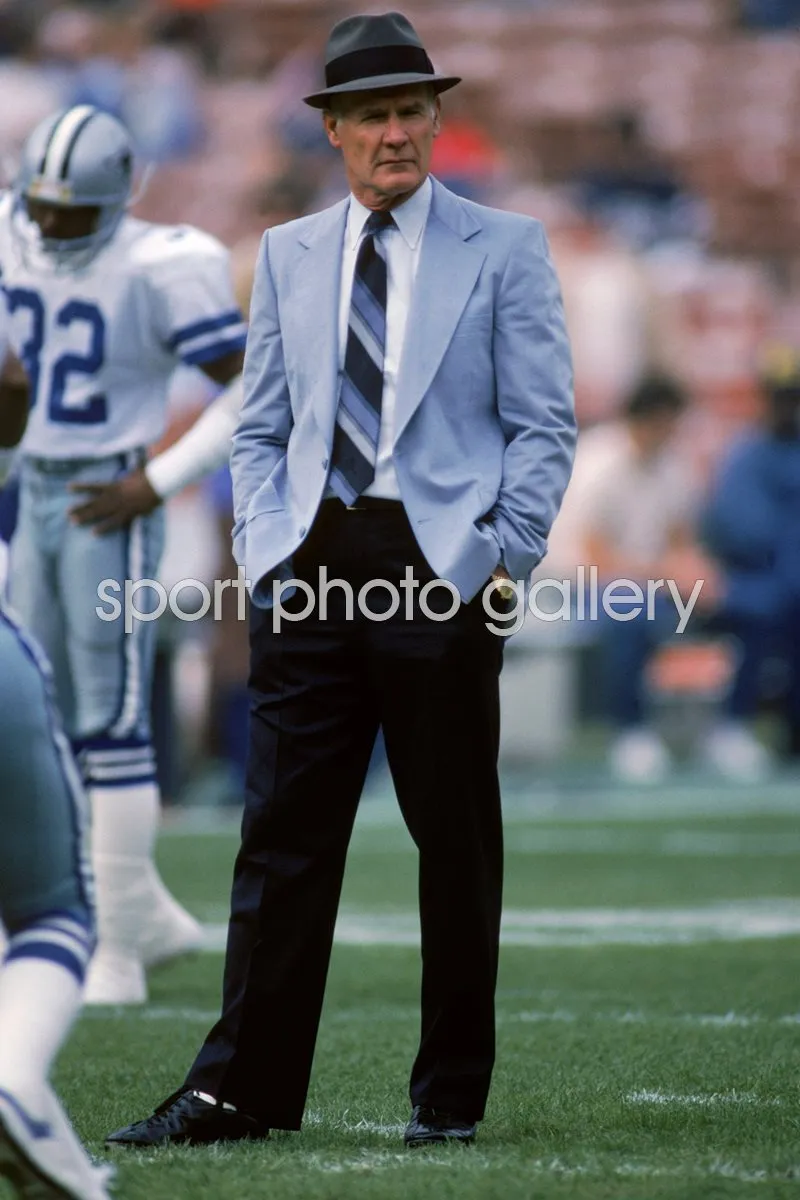 Photo: Tom Landry, via www.sportphotogallery.com
What Landry remembered was a training system the Air Force had been using since the 1960s to analyze combat missions. Pilots would review footage of their flights frame by frame, studying every decision and mistake. The technology was called "instant replay," and it was sitting in a warehouse somewhere, gathering dust.
From Dogfights to Football Fields
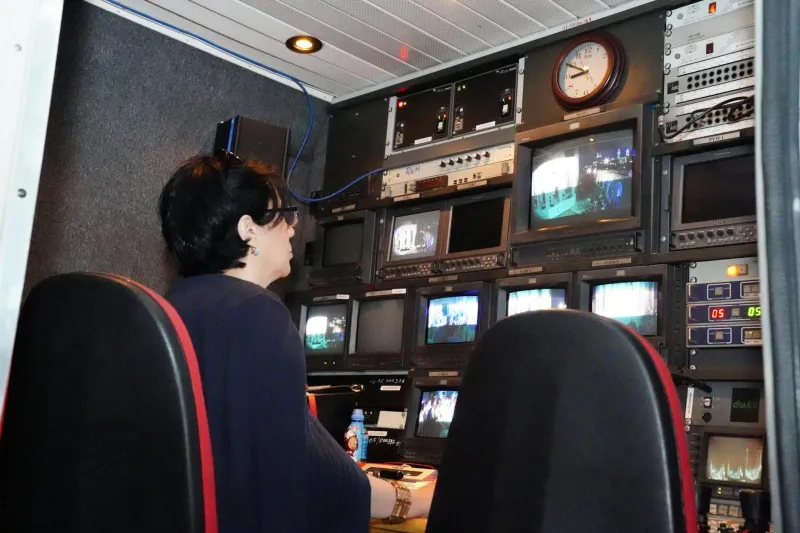
The instant replay system wasn't invented for sports at all. During the Cold War, military trainers needed a way to review aerial combat footage without having to rewind and fast-forward through hours of film. Engineers at Ampex Corporation created a machine that could instantly jump to any moment in recorded footage, allowing instructors to analyze split-second decisions that meant the difference between life and death.
 Photo: Ampex Corporation, via www.ampex.com
The military loved it. Pilots could see exactly where they went wrong, and instructors could prove their points without argument. But when the Cold War tensions eased, the expensive machines started collecting dust in storage facilities across the country.
That's when a few forward-thinking sports broadcasters got their hands on the technology. CBS started using instant replay for television coverage in the 1960s, giving viewers at home a better look at the action than the people actually at the game. But nobody thought to use it where it mattered most: helping officials make the right call.
The Idea That Nobody Wanted
Coaches had been complaining about bad calls since the invention of organized sports, but their complaints always fell on deaf ears. League officials argued that human error was part of the game, that perfect officiating was impossible, and that stopping games to review footage would ruin the flow of competition.
When coaches first proposed using replay technology to review disputed calls, they were laughed out of league meetings. The NFL rejected the idea in 1976, 1978, and 1982. Baseball commissioners called it "unnecessary and disruptive." Basketball officials said it would "destroy the rhythm of the game."
The technology was sitting right there, proven and ready to use, but nobody in power wanted to admit that referees could be wrong.
The Call That Changed Everything
Everything shifted on November 23, 1986, during a Thanksgiving Day game between the Detroit Lions and Green Bay Packers. With seconds left on the clock, Lions running back Barry Sanders appeared to score the winning touchdown, but the referee called him down at the one-yard line. Television replays clearly showed Sanders had crossed the goal line, but the call stood.
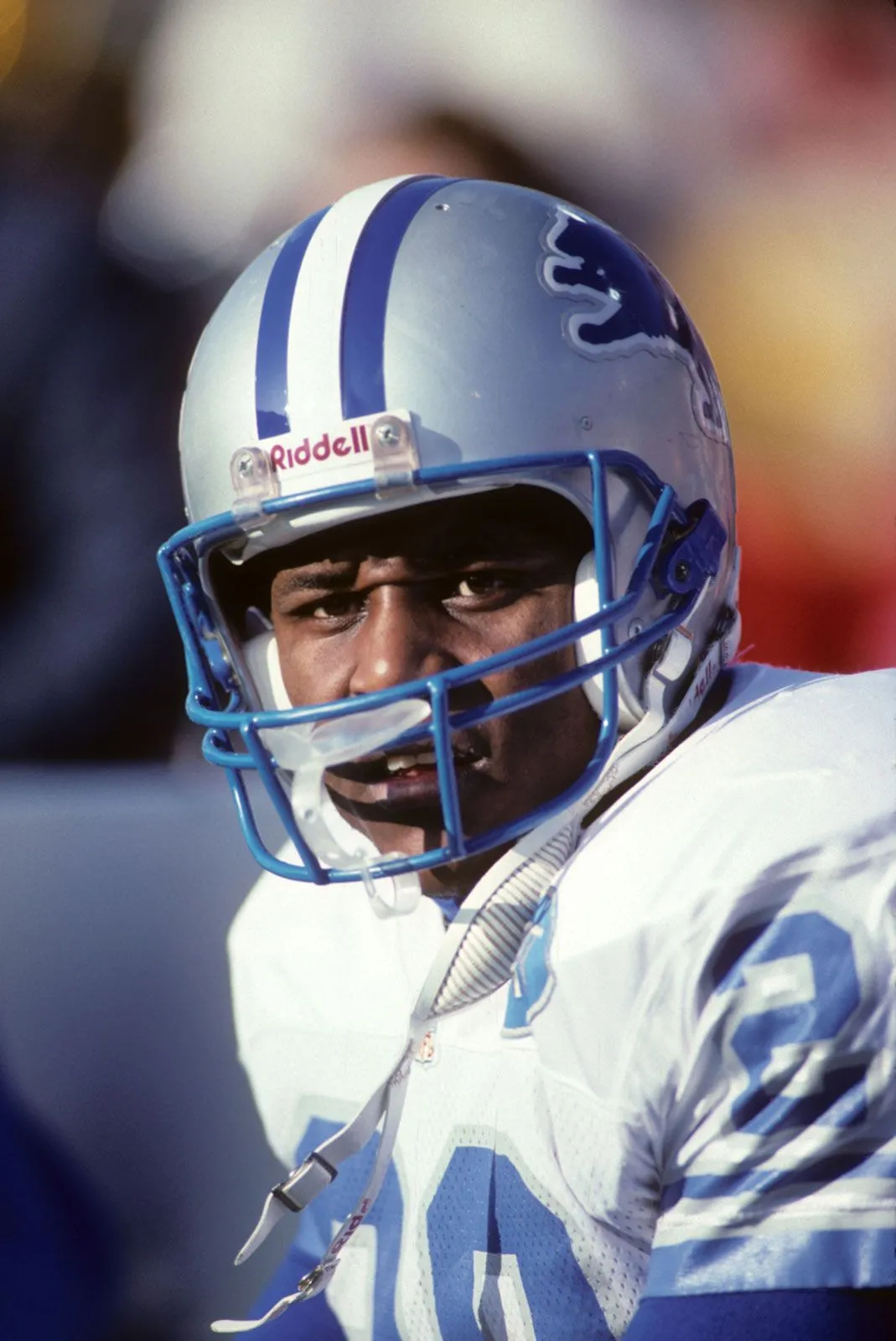 Photo: Barry Sanders, via cdn.britannica.com
The game ended in controversy, but more importantly, 50 million Americans had just watched instant replay prove an official wrong on national television. The contrast was impossible to ignore: viewers at home could see the truth, but the people running the game couldn't.
Public pressure became overwhelming. Sports columnists wrote scathing articles about leagues that had access to the truth but chose to ignore it. Fans started bringing portable televisions to games, rewinding footage to prove officials wrong. The technology gap between what viewers could see and what officials were allowed to use became a national embarrassment.
The Grudging Revolution
The NFL finally caved in 1986, becoming the first major American sports league to implement instant replay review. The system was clunky and limited, covering only specific types of plays, but it was a start. Other leagues followed gradually, each one dragging their feet until public pressure became too strong to resist.
Baseball held out the longest, not implementing replay review until 2014, nearly 30 years after the technology became available. Commissioner Bud Selig admitted years later that the league's resistance wasn't about technology or game flow—it was about pride. Officials didn't want to admit they could be wrong.
The Unintended Consequences
What nobody anticipated was how replay review would change the psychology of competition. Athletes started playing differently, knowing their efforts could be reviewed and corrected. Coaches became more aggressive in challenging calls, turning strategic thinking into part of the game itself.
The challenge flag became as important as any piece of equipment on the field. Coaches who once accepted bad calls as part of life now had a weapon to fight back. The power dynamic between officials and competitors shifted permanently.
From Military Precision to Sports Justice
Today, instant replay technology has evolved far beyond those original military training machines. Modern systems can track the exact position of a ball down to millimeters, analyze player movements in three dimensions, and provide definitive answers to questions that once sparked endless arguments.
But the core principle remains the same as those Cold War training sessions: when the stakes are high, everyone deserves to know the truth. What started as a tool for analyzing combat missions became the foundation of fair play in American sports.
The next time you watch a coach throw a challenge flag, remember that they're wielding a piece of military technology that took decades to escape the warehouse and find its way onto the playing field. Sometimes the most important innovations aren't the ones we plan for—they're the ones we finally stop ignoring.