The Song Everyone Knows Has a History Nobody Does
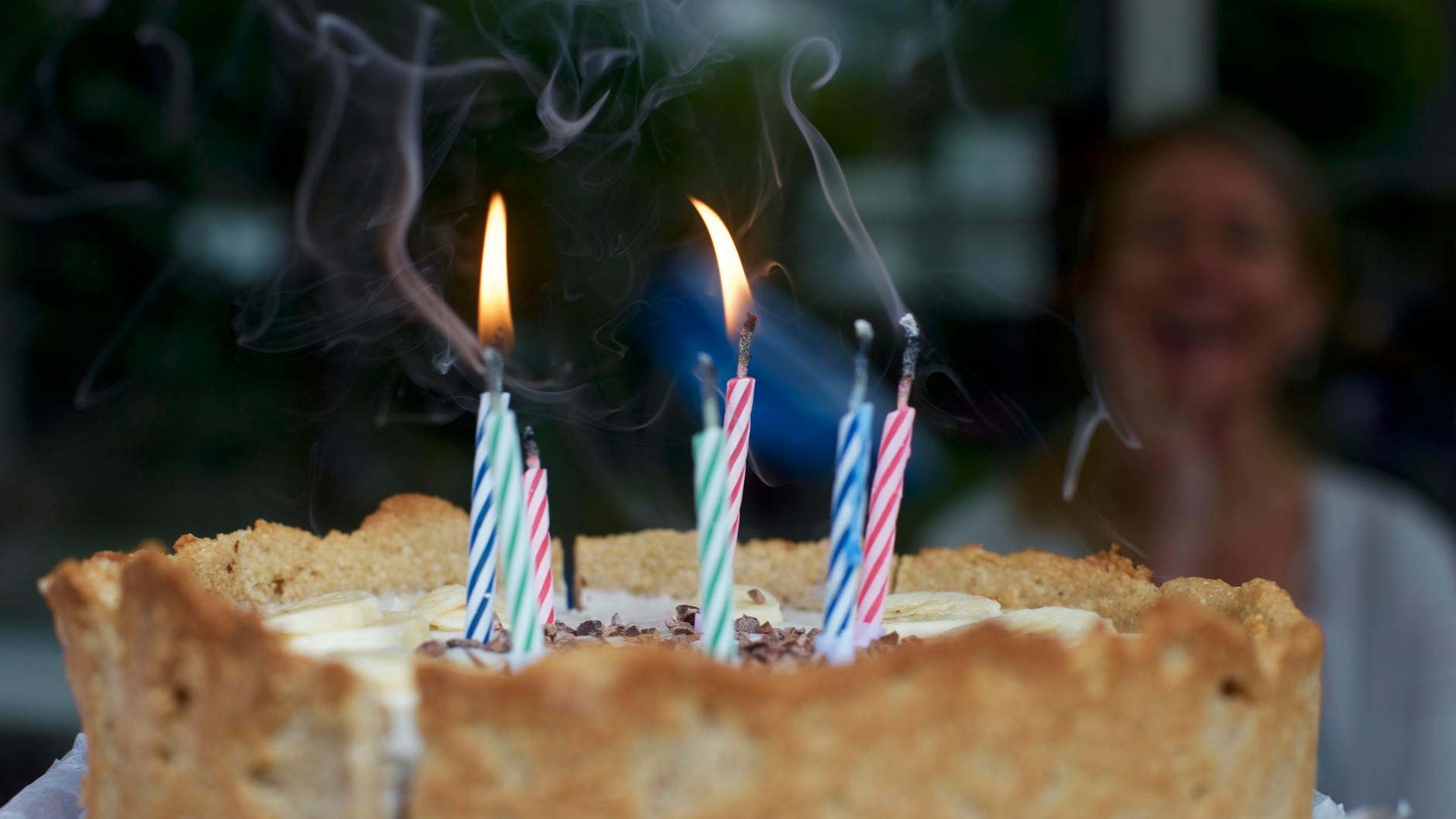
The Birthday Song Everyone Knows Was Owned by a Corporation — Until a Judge Finally Set It Free
Think about the last birthday party you attended. At some point, someone dimmed the lights or carried out a cake, and without any coordination or rehearsal, everyone in the room started singing the same song. Same melody, same words, same structure — every time, everywhere, for as long as most of us can remember.
"Happy Birthday to You" is the most performed song in the English language. It shows up in homes, restaurants, offices, and school cafeterias millions of times a day. It requires no introduction and no explanation. It is, in every practical sense, public property.
Except for most of the 20th century, it wasn't. It was owned. And the people who owned it were not shy about collecting.
It Started as a Classroom Greeting
The song's real story begins in Louisville, Kentucky, in the late 1800s. Two sisters — Mildred J. Hill, a pianist and composer, and Patty Smith Hill, a kindergarten teacher and early childhood education reformer — wrote a cheerful little tune designed to welcome students at the start of the school day.
The original song was called "Good Morning to All." It had a simple, bouncy melody that was easy for young children to sing, and lyrics that went: Good morning to you / Good morning to you / Good morning, dear children / Good morning to all.
The tune was published in 1893 in a songbook called Song Stories for the Kindergarten. It was meant to be a functional classroom tool, not a cultural landmark. Mildred wrote the music. Patty wrote the words. Neither of them could have predicted what was coming.
At some point in the following years — exactly when and by whom is still debated — someone swapped out the "good morning" lyrics for birthday greetings and the song began circulating in its now-familiar form. By the early 1900s, "Happy Birthday to You" was already spreading through American social life, passed from person to person the way folk songs travel: informally, freely, and without attribution.
When the Copyright Entered the Picture
Here's where it gets complicated.
In 1935, a third Hill sister named Jessica Hill — who had taken over management of the family's intellectual property after Mildred's death — successfully registered a copyright claim on "Happy Birthday to You" through a music publisher called the Clayton F. Summy Company. The legal argument was that the birthday version of the song was a derivative work of the sisters' original composition, and therefore protected.
For decades, most people had no idea this copyright existed. It didn't affect people singing at home or at private parties — copyright law has never reached that far. But it absolutely affected anyone who wanted to use the song commercially: filmmakers, television producers, restaurant chains, greeting card companies, and broadcasters all had to pay licensing fees to use it.
The copyright eventually passed to Warner/Chappell Music, a division of Warner Bros., which acquired it in 1988 for approximately $25 million as part of a larger catalog purchase. Warner/Chappell then began actively enforcing the copyright, reportedly collecting around $2 million in licensing fees per year.
This created some genuinely absurd situations. Filmmakers would shoot birthday scenes and then have characters sing a different song to avoid the fee. Restaurants famously invented their own awkward alternatives — the theatrical chain TGI Fridays birthday chant, for instance, exists partly as a workaround. Documentary filmmakers and news producers sometimes cut away from birthday scenes entirely rather than pay.
The Lawsuit That Unraveled Everything
For years, legal scholars and music historians had quietly argued that the copyright claim on "Happy Birthday" was shaky at best. The melody was clearly derived from the 1893 Hill sisters' song, but the actual birthday lyrics had been in wide public circulation long before the 1935 copyright registration. The question of who actually wrote the birthday version — and whether that version could be legally owned at all — had never been seriously tested in court.
In 2013, filmmaker Jennifer Nelson was making a documentary about the song and refused to pay Warner/Chappell's licensing fee. She sued instead, arguing the copyright was invalid. The case cracked open the historical record.
Researchers digging through archives uncovered evidence that "Happy Birthday to You" had appeared in published songbooks as early as 1912 — more than two decades before Warner/Chappell's copyright. If the song had been published without proper copyright protection before 1935, it may have already entered the public domain by the time anyone tried to claim it.
In September 2015, U.S. District Judge George H. King ruled that Warner/Chappell had never actually owned a valid copyright on the lyrics to "Happy Birthday to You." In 2016, the company agreed to a $14 million settlement and the song was formally declared part of the public domain.
After more than 80 years, the world's most sung song was finally free.
What It Means That This Was Ever a Question
The story of "Happy Birthday" is a strange mirror held up to how we think about culture and ownership. A song that belongs to everyone — that people sing reflexively, joyfully, in every language and every corner of the world — spent most of the 20th century as a revenue stream for a media corporation.
Mildred and Patty Hill wrote something genuinely lovely in 1893. They probably didn't imagine it becoming the soundtrack to every birthday from kindergarten to 100 years old. They almost certainly didn't imagine a legal battle playing out more than a century after they put pen to paper.
But that's the thing about songs that truly belong to a culture. They have a way of escaping whoever tries to hold onto them.
The tune is yours now. It always kind of was.