The Head Case: How Baseball Players Went From Refusing Helmets to Making Them Mandatory
The Head Case: How Baseball Players Went From Refusing Helmets to Making Them Mandatory
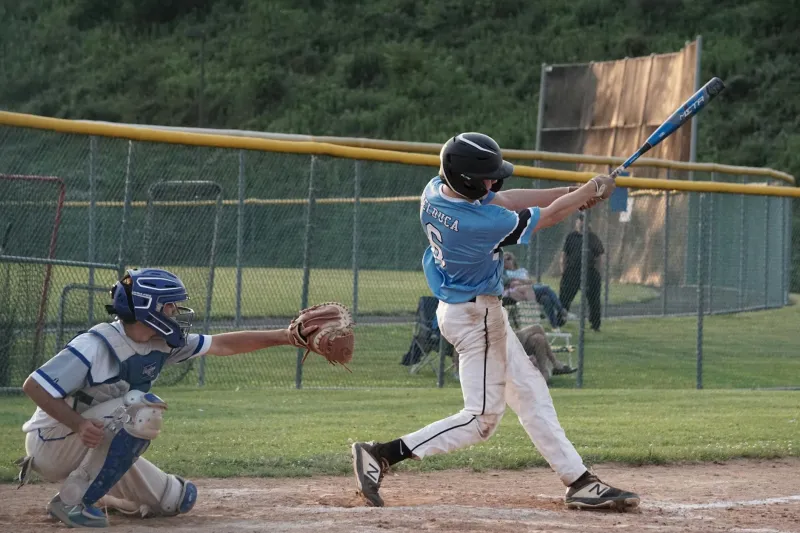
Walk into any Little League game today and you'll see something that would have been unthinkable in professional baseball just 60 years ago: every single batter wearing a helmet. It's so automatic now that we don't even think about it. But there was a time when major league players would rather risk a fastball to the skull than wear what they called "sissy caps."
The story of how batting helmets became mandatory isn't just about safety—it's about how America's most traditional sport was dragged kicking and screaming into the modern era by a few determined voices and some truly gruesome injuries.
When Hard Heads Met Harder Baseballs
In the early days of baseball, getting beaned was just part of the game. Players wore cloth caps that offered about as much protection as a paper bag in a rainstorm. The attitude was simple: if you couldn't handle a little chin music from the pitcher, maybe you didn't belong in the big leagues.
This macho mentality persisted well into the 1950s, even as pitchers were throwing harder than ever before. The reasoning was circular and stubborn: real ballplayers didn't need protection, and anyone who wore protection wasn't a real ballplayer.
But by the 1940s, some forward-thinking individuals were starting to question this logic. The first primitive batting helmets appeared sporadically, usually after a player had already been injured. These early versions were crude affairs—basically hard hats painted to match team colors—and they were met with ridicule from teammates and opponents alike.
The Pioneer Who Wouldn't Back Down
The real breakthrough came from an unlikely source: a utility infielder named Jackie Hayes who played for the Chicago White Sox in the 1940s. After taking a fastball to the head that left him hospitalized, Hayes became obsessed with the idea of protective headgear.
Working with a local manufacturer, Hayes developed one of the first practical batting helmets. It wasn't pretty—imagine a construction hard hat with ear flaps—but it worked. When Hayes returned to the lineup wearing his contraption, he was mercilessly heckled by fans and players alike. Opposing pitchers made it their mission to knock the "tin hat" off his head.
But Hayes didn't care about the ridicule. He'd felt what a 90-mph fastball could do to an unprotected skull, and he wasn't interested in feeling it again.
When the Laughing Stopped
The turning point came in the 1950s with a series of beaning incidents that were too serious to ignore. The most shocking was the near-fatal injury to Cleveland Indians prospect Herb Score in 1957. A line drive caught him in the eye, effectively ending what many considered a Hall of Fame career before it really began.
But it was the accumulation of lesser-known incidents that really drove home the point. Players were suffering concussions, fractured skulls, and career-ending injuries at an alarming rate. The medical community began speaking up, armed with new research about brain trauma that made the old "shake it off" mentality look not just outdated, but dangerous.
The Business of Safety
As awareness grew, so did the helmet industry. What started as crude modifications of construction hard hats evolved into sophisticated pieces of equipment designed specifically for baseball. Companies like Rawlings and Wilson began investing serious money into research and development.
The breakthrough came when manufacturers figured out how to make helmets that didn't look ridiculous. By using lightweight materials and sleeker designs, they created helmets that players could wear without feeling like they were putting on a construction worker's gear.
More importantly, they got smart about marketing. Instead of selling safety, they started selling performance. The message became: helmets don't make you weak, they make you confident. A confident batter is a better batter.
The Tipping Point
The real change came from an unexpected source: economics. As player salaries began to rise in the 1960s, team owners started doing the math. A star player with a head injury wasn't just a human tragedy—it was a financial disaster.
Suddenly, the same owners who had resisted safety equipment for decades were quietly encouraging their most valuable players to wear helmets. It wasn't altruism; it was business sense.
The final push came from the players' union, which by the 1970s had enough power to make safety a negotiating issue. When players realized they could use helmets as leverage in contract talks, the resistance crumbled quickly.
Making It Official
Major League Baseball finally made batting helmets mandatory for all new players entering the league in 1971. Veterans were grandfathered in, which led to the odd spectacle of old-timers batting bareheaded while rookies wore full protection.
The last holdout was Bob Montgomery of the Boston Red Sox, who retired in 1979—nearly a decade after helmets became mandatory for new players. His final at-bat marked the end of an era: never again would a major league player step into the batter's box without a helmet.
The Ripple Effect
The acceptance of batting helmets in baseball opened the floodgates for safety equipment across all sports. If America's most traditional game could embrace head protection, any sport could.
Today, we take helmets for granted in everything from cycling to skateboarding to youth soccer. But it all traces back to those early pioneers in baseball who were willing to be called sissies if it meant keeping their brains intact.
The next time you see a Little Leaguer adjusting their helmet before stepping into the batter's box, remember: that simple piece of equipment represents one of the longest, most stubborn fights in sports history. And thankfully, the good guys won.